Sacchi, Roberto; Scali, Stefano; Mangiacotti, Marco; Storniolo, Federico; Dadda, Thomas; Coladonato, Alan J.; Di Vozzo, Loris; Giglio, Gianni; Gini, Andrea; Leonetti, Francesco L.; Luccini, Simone; Abate, Federico; Tatini, Irene; Sperone, Emilio; Zuffi, Marco A.L.
Amphibia - Reptilia Volume 47 Issue 1 May 2026 Article number 100184
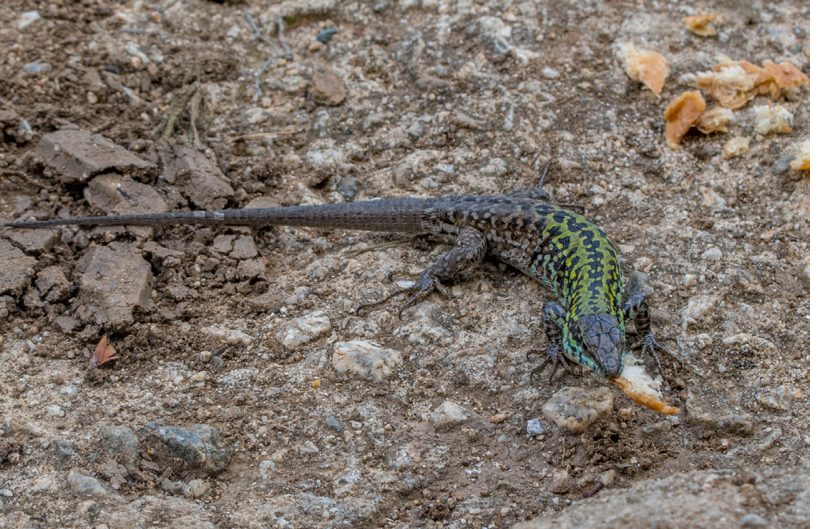
In the face of a global biodiversity crisis, accurate estimates of population parameters – especially size and survival – are critical for effective conservation, yet such data are often scarce due to logistical, financial, and methodological challenges. Reptiles in Europe are particularly underrepresented in population studies. Although many are protected under the EU Habitats Directive, robust estimates of population density and survival exist for fewer than half of the listed species. In this study, we present a demographic assessment of the Italian wall lizard (Podarcis siculus) using capture-mark-recapture (CMR) methods. Fieldwork was carried out in 2019 at three distinct sites in Central and Southern Italy. We employed photographic identification combined with Jolly-Seber models to estimate population size, separately for males and females. Population densities showed marked spatial variation, ranging from 102 to 384 individuals per hectare. Apparent survival and detection probabilities also varied substantially, probably reflecting differences in local environmental conditions and habitat structure. These findings reveal significant demographic heterogeneity among populations, consistent with patterns observed in other Podarcis species. Our study demonstrates the applicability and reliability of CMR approaches for reptile monitoring and underscores the need for standardized long-term population data to inform conservation management. Importantly, these represent the first density estimates for P. siculus based on CMR, helping to address a major data gap for this species of conservation concern.
Fedele, Giorgio; Rima, Patrizia; Gallo, Samira; Carpino, Chiara; Valerioti, Claudia; Giglio, Gianni; Leonetti,Francesco Luigi; Milazzo, Concetta; Piredda, Laura; Zaccaroni, Annalisa; Sardo, Giacomo; Vitale, Sergio; Gancitano, Vita; Sperone, Emilio
Fishes Open Access Volume 11 Issue 1 January 2026 Article number 9
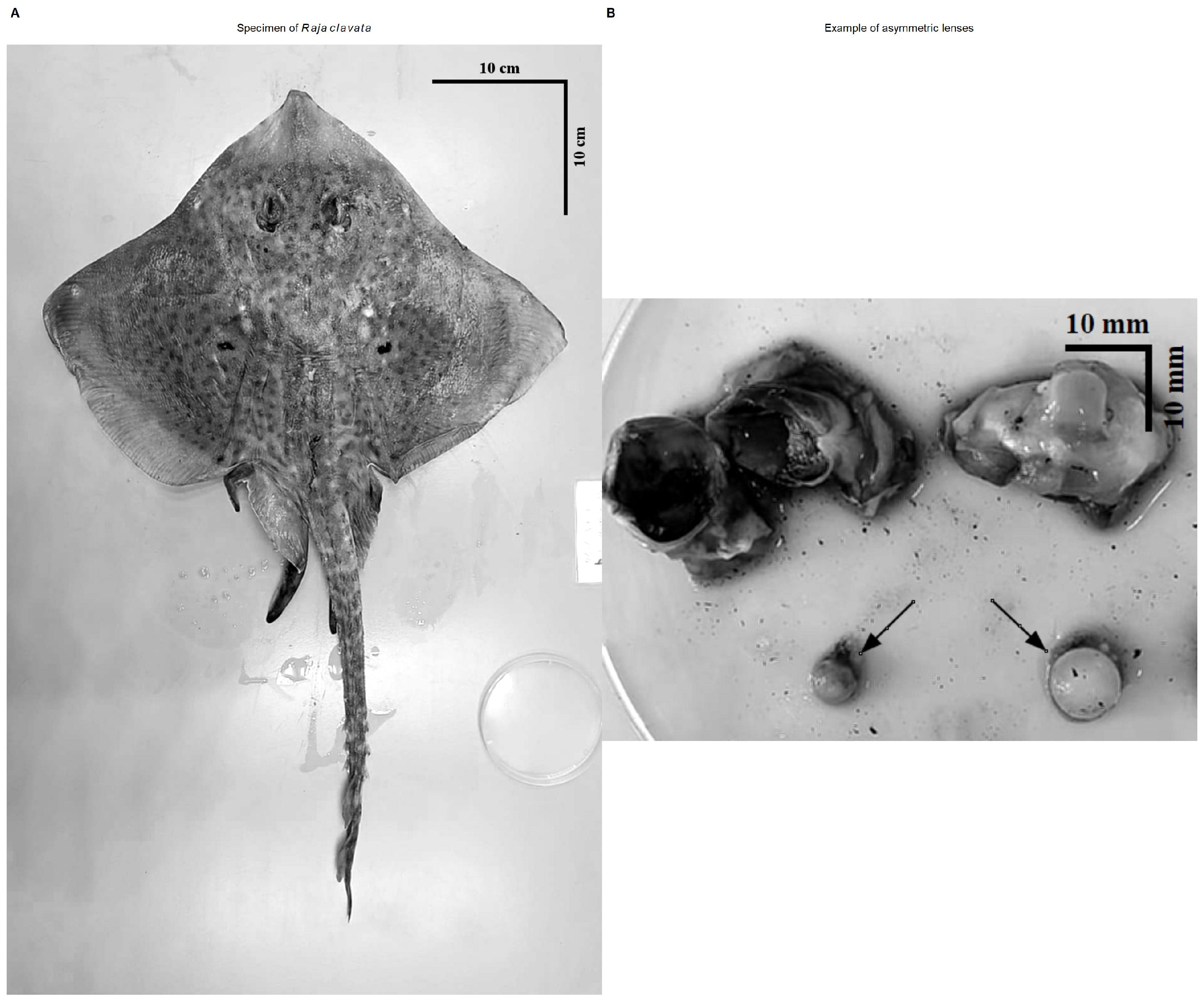
Directional asymmetry (DA) is a widespread yet often overlooked feature of animal morphology. Here, we report a consistent right-biassed asymmetry in the crystalline lenses of the thornback ray Raja clavata. Across 71 individuals sampled from the Strait of Sicily, 24% exhibited lens asymmetry, and in all cases, the right lens was larger. This pattern, supported by binomial and distributional tests, represents the first evidence of ocular DA in this species. Body size and age emerged as the primary correlates of asymmetry: the odds of exhibiting DA increased significantly with body weight, whereas the effects of sex and sampling site were not significant. The prevalence of asymmetry thus appears to rise with age and ontogenetic growth. Two non-exclusive mechanisms may account for this pattern. First, the association with positive allometry (b = 3.33) suggests that right-lens enlargement could reflect a functional or developmental lateralisation, potentially conferring a visual or ecological advantage to larger individuals. Alternatively, the same right-lens bias could arise through an age-related pathological process, such as oxidative or osmotic lens swelling preceding cataract formation, consistent with asymmetric physiological wear. These findings reveal a novel case of morphological lateralisation in an elasmobranch and highlight the need for comparative, histological, and functional approaches to disentangle adaptive asymmetry from lateralised senescence in the visual system of R. clavata.
Gallo, Samira; Leonetti, Francesco Luigi; Reinero, Francesca Romana; Micarelli, Primo; Passarelli, Luigi; Giglio, Gianni; Milazzo, Concetta.; Imbrogno, Sandra; Barca, Donatella.; Bottaro, Massimiliano; Sperone, Emilio
Environments - MDPIVolume 12, Issue 1January 2025 Article number 12
Marine ecosystems are increasingly threatened by pollutants, including trace elements (TEs) such as heavy metals, which bioaccumulate and pose risks to both marine fauna and human health. Sharks and rays are particularly susceptible to metal uptake and retention, making them sentinel species for assessing environmental contamination. This study investigated the bioaccumulation of 16 TEs across 12 elasmobranch species sampled from the Ionian and Tyrrhenian coasts of Calabria, southern Italy, over an 11-year period. Muscle tissue was analyzed for all species, while additional comparisons among skin, muscle, and brain tissues were conducted for Galeus melastomus. Statistical analyses revealed significant variability in TEs concentrations across trophic levels (TRLs), with higher levels observed in species occupying higher trophic positions. Positive correlations were noted for elements such as Al, Ba, and Se, while negative correlations were found for Co, Cu, Mn, and U, indicating species-specific metabolic adaptations. Tissue-specific analyses identified the skin as a primary site for TEs accumulation, likely due to its barrier functions and external exposure. This study highlights the complex interplay of ecological, dietary, and physiological factors influencing TEs bioaccumulation in elasmobranchs and emphasizes the need for further research to understand the implications for marine food webs and conservation strategies.
Fabietti, Ylenia; Spadaro, Chiara; Tigani, Agnese; Giglio, Gianni; Barbuto, Gianpiero; Romano, Viviana; Fedele, Giorgio; Leonetti, Francesco Luigi; Venanzi, Emanuele; Barba, Carlotta; Sperone, Emilio
Biology Open Access Volume 13, Issue 12December 2024 Article number 996
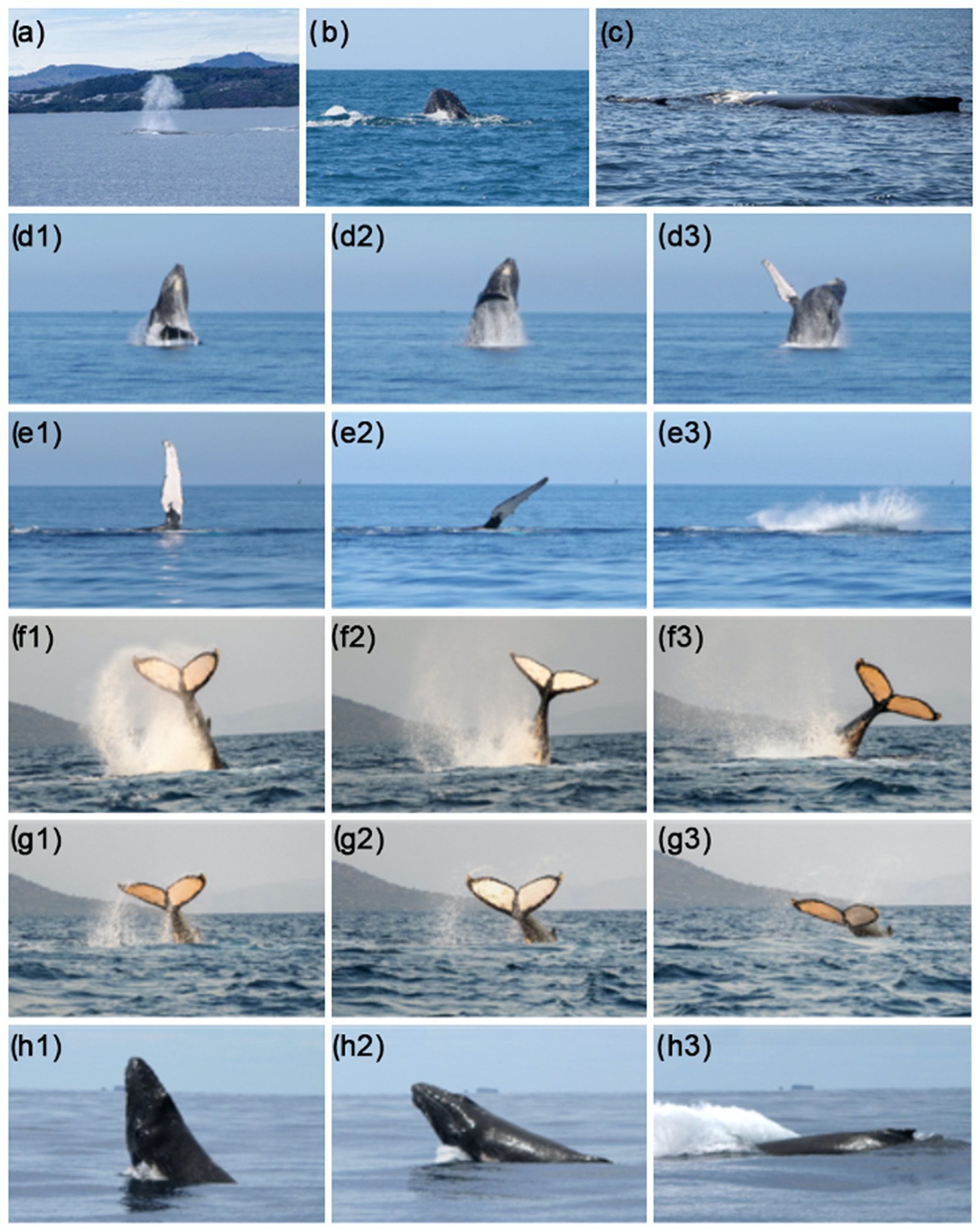
The surface behaviours of humpback whales were studied in the presence of a whale-watching vessel at Nosy Be (Madagascar) during whale-watching activities, in order to characterise the ethogram of these animals. Data were collected from July to October 2018. Of the 75 total trips, humpback whales were observed 68 times and different types of aggregations were observed: Groups (33.82%), Mother–calf pairs (30.88%), Singles (27.94%), and Mother–calf and Escorts (7.35%). Individuals exhibited the following behaviours: Spouting, Breaching, Head Slap, Tail Throw, Tail Slap, Peck Slap, Spy-hopping, and Logging. Sighting data were evaluated by comparing the observed aggregations with reported behaviours, and vice versa. Among the most commonly observed behaviours, Spouting and Peck Slap were exhibited more in Groups, while Breaching was exhibited by all of the associations, with the exception of Singles. In Groups of more than two individuals, little or no social nor aggressive behaviours were observed, probably due to a lack of needing to attract the attention of other individuals. This suggests that, during the breeding season, Nosy Be could represent a wintering and weaning ground for calves. © 2024 by the authors.
Valerioti, Claudia ; Sperone, Emilio
Herpetology Notes Volume 17, Pages 597 - 5988 January 2024
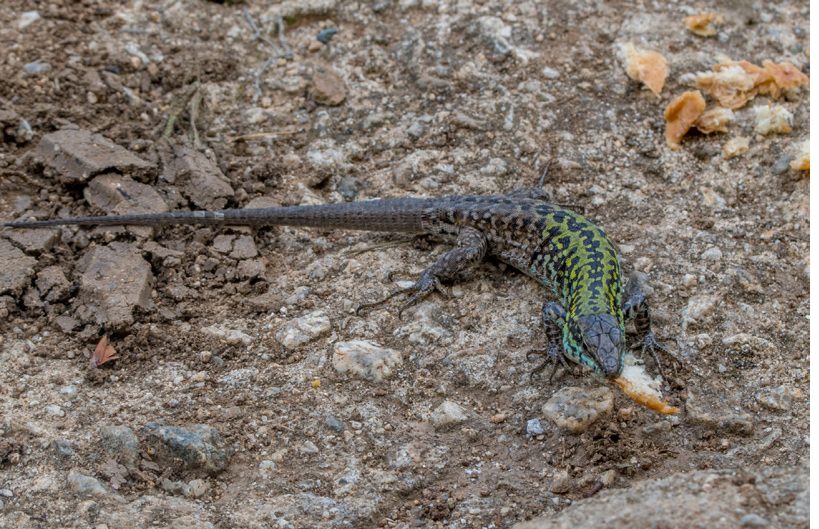
The Italian Wall Lizard, Podarcis siculus (Rafinesque-Schmaltz, 1810), is a medium-sized lacertid distributed in peninsular Italy, in Sicily and in several Italian islands and islets. Outside the Italian borders it is found in Croatia, Slovenia, the Dalmatian islands and some areas of Montenegro (Biaggini, Corti, Capula in Corti et al., 2011). It has also been introduced to regions such as Spain, France, North Africa and the United States (Arnold and Burton, 1978; Meijide, 1981; Orsini, 1984; Henle and Klaver, 1986). This species generally inhabits open habitats, which offer good sunstroke, where stones and artifacts can foster the presence of this lacertid lizard. It can also easily be found within anthropic areas, such as urban parks and cultivated areas (Capula et al., 1993; Biaggini et al., 2009).
Di Tommaso, Andrea ; Sailar, Sureerat ; Leonetti, Francesco Luigi; Sperone, Emilio; Giglio, Gianni
Diversity Open Access Volume 16, Issue 10October 2024 Article number 606
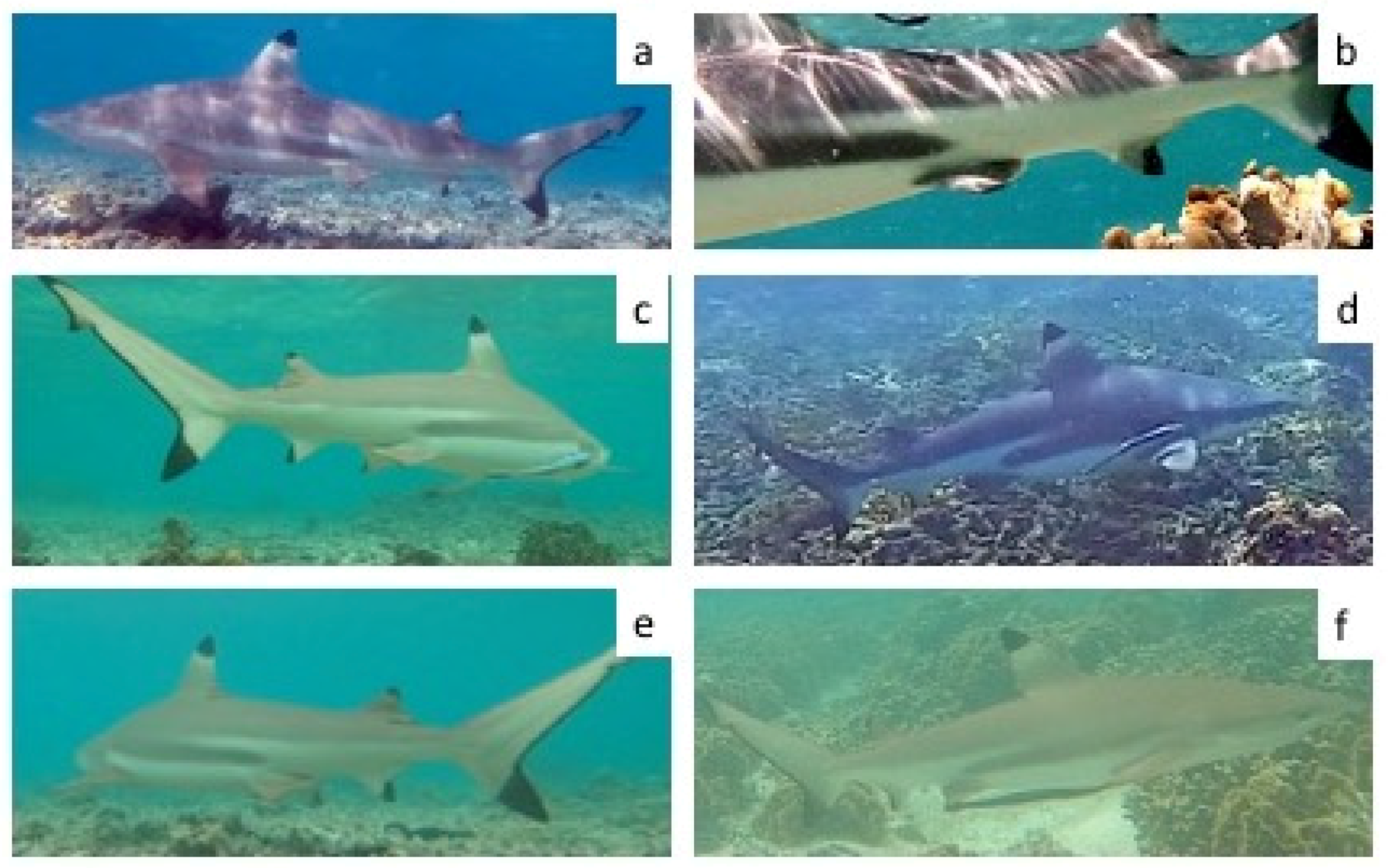
In this study, we propose a method for assessing the temporal and spatial distribution of Carcharhinus melanopterus in shallow waters using unmanned aerial vehicles (UAVs). Aerial surveys were conducted in Tien Og Bay (Koh Tao, Thailand) thrice daily (morning, afternoon, evening) along a 360 m transect at a 30 m altitude. Environmental factors, including cloudiness, sea conditions, wind, tide, and anthropogenic disturbance, were recorded for each time slot. We developed a Python/AppleScript application to facilitate individual counting, correlating sightings with GPS data and measuring pixel-based length. Abundance varied significantly across time slots (p < 0.001), with a strong morning preference, and was influenced by tide (p = 0.040), favoring low tide. Additionally, abundance related to anthropogenic disturbance (p = 0.048), being higher when anthropogenic activity was absent. Spatial distribution analysis indicated time-related, sector-based abundance differences (p < 0.001). Pixel-based length was converted to Total Length, identifying juveniles. They exhibited a strong sector preference (p < 0.001) irrespective of the time of day. Juvenile abundance remained relatively stable throughout the day, constituting 94.1% of afternoon observations. Between 2020 and 2022, an underwater video survey was conducted to determine the sex ratio of the individuals. Only females and juveniles were sighted in the bay.
Leone, Agostino; Arnaud-Haond, Sophie; Babbucci, Massimiliano; Bargelloni, Luca; Coscia, Ilaria; Damalas, Dimitrios; Delord, Chrystelle; Franch, Rafaell; Garibaldi, Fulvio; Macias, David; Mariani, Stefano; Martinsohn, Jann; Megalofonou, Persefoni; Micarelli, Primo; Nikolic, Natacha; Prodöhl, Paulo A.; Sperone, Emilio; Stagioni, Marco; Zanzi, Antonella; Cariani, Alessia; Tinti, Fausto
Evolutionary Applications Open AccessVolume 17, Issue 9September 2024 Article number e70005
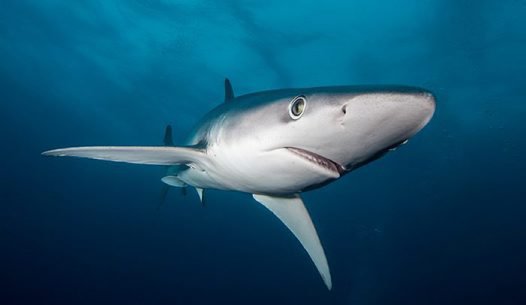
Populations of marine top predators have been sharply declining during the past decades, and one-third of chondrichthyans are currently threatened with extinction. Sustainable management measures and conservation plans of large pelagic sharks require knowledge on population genetic differentiation and demographic connectivity. Here, we present the case of the Mediterranean blue shark (Prionace glauca, L. 1758), commonly found as bycatch in longline fisheries and classified by the IUCN as critically endangered. The management of this species suffers from a scarcity of data about population structure and connectivity within the Mediterranean Sea and between this basin and the adjacent Northeast Atlantic. Here, we assessed the genetic diversity and spatial structure of blue shark from different areas of the Mediterranean Sea and the Northeast Atlantic through genome scan analyses. Pairwise genetic differentiation estimates (FST) on 203 specimens genotyped at 14,713 ddRAD-derived SNPs revealed subtle, yet significant, genetic differences within the Mediterranean sampling locations, and between the Mediterranean Sea and the Northeast Atlantic Ocean. Genetic differentiation suggests some degree of demographic independence between the Western and Eastern Mediterranean blue shark populations. Furthermore, results show limited genetic connectivity between the Mediterranean and the Atlantic basins, supporting the hypothesis of two distinct populations of blue shark separated by the Strait of Gibraltar. Although reproductive interactions may be limited, the faint genetic signal of differentiation suggests a recent common history between these units. Therefore, Mediterranean blue sharks may function akin to a metapopulation relying upon local demographic processes and connectivity dynamics, whereby the limited contemporary gene flow replenishment from the Atlantic may interplay with currently poorly regulated commercial catches and large-scale ecosystem changes. Altogether, these results emphasise the need for revising management delineations applied to these critically endangered sharks.
Leonetti, Francesco Luigi; Bottaro, Massimiliano; Giglio, Gianni; Sperone, Emilio
AnimalsOpen AccessVolume 14, Issue 13July 2024 Article number 1875
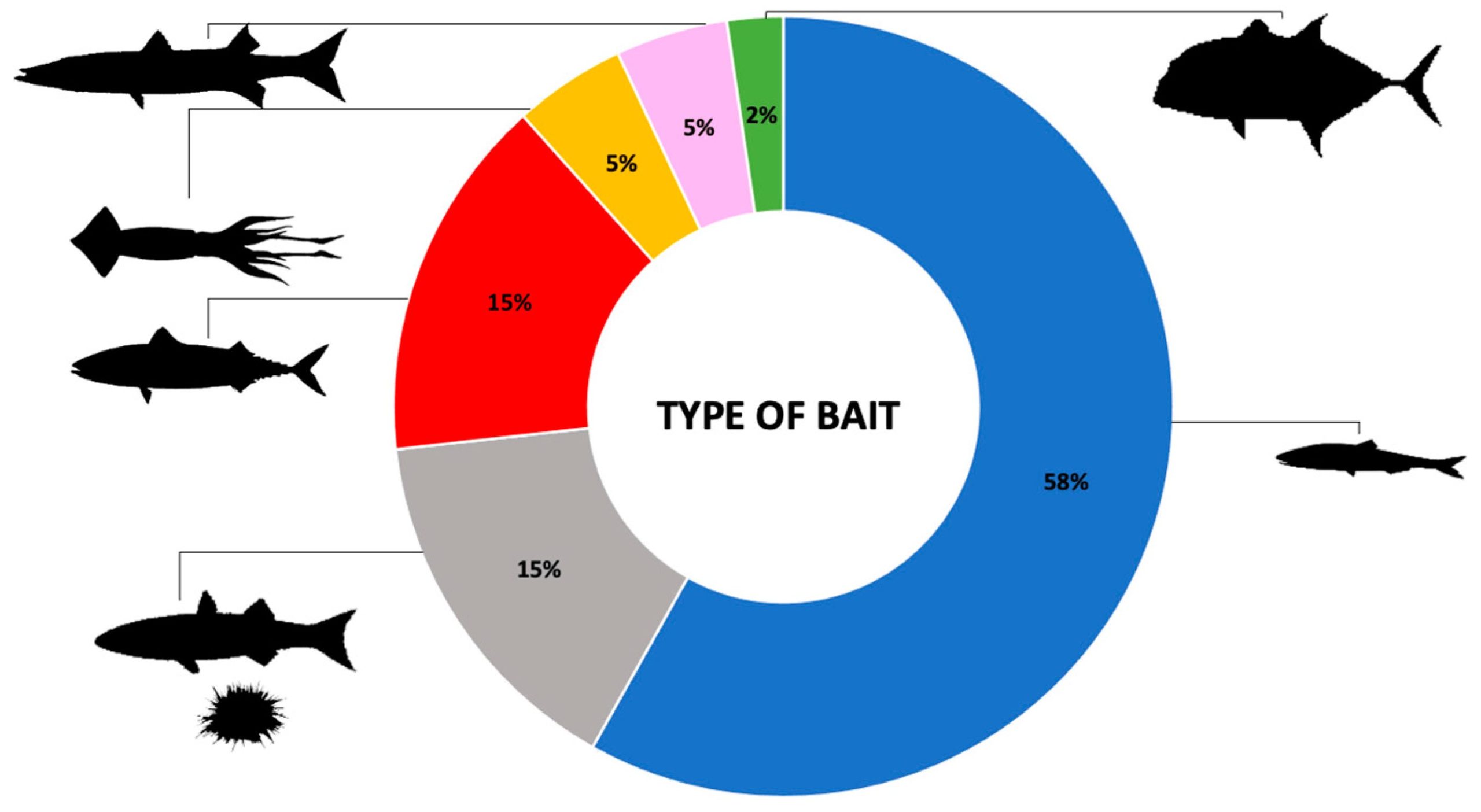
Cartilaginous fish face significant threats due to overfishing and slow reproductive rates, leading to rapid declines in their populations globally. Traditional capture-based surveys, while valuable for gathering ecological information, pose risks to the health and survival of these species. Baited Remote Underwater Video Systems (BRUVS) offer a non-invasive alternative, allowing for standardized surveys across various habitats with minimal disturbance to marine life. This study presents a comprehensive review of BRUVS applications in studying cartilaginous fish, examining 81 peer-reviewed papers spanning from 1990 to 2023. The analysis reveals a significant increase in BRUVS usage over the past three decades, particularly in Australia, South Africa, and Central America. The most common BRUVS configurations include benthic setups, mono-camera systems, and the use of fish from the Clupeidae and Scombridae families as bait. BRUVS have been instrumental in studying 195 chondrichthyan species, providing insights into up to thirteen different aspects of the life histories. Moreover, BRUVS facilitate the monitoring of endangered and data-deficient species, contributing crucial data for conservation efforts. Overall, this study underscores the value of BRUVS as a powerful tool for studying and conserving cartilaginous fish populations worldwide.
Montemagno, Francesco; Romano, Chiara; Bastoni, Deborah; Cordone, Angelina; De Castro, Olga; Stefanni, Sergio; Sperone, Emilio; Giovannelli, Donato
Microorganisms Open Access Volume 12, Issue 3March 2024 Article number 557
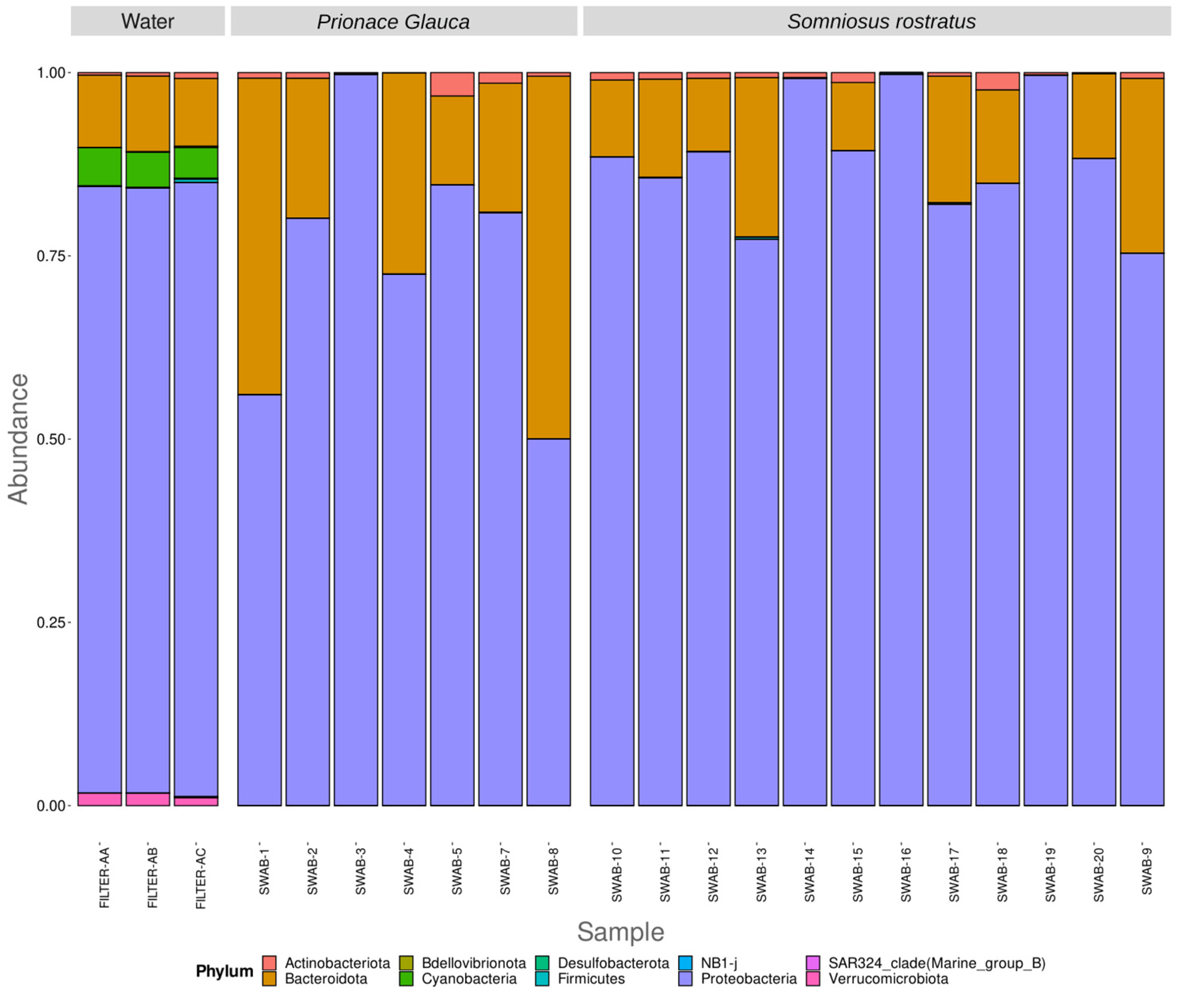
Our knowledge regarding the role of the microbiome in fish health has been steadily increasing in the last decade, especially for species of commercial interest. Conversely, relatively few studies focus on the microbiomes of wild fish, especially apex predators like sharks, due to lower economic interest and greater difficulty in obtaining samples. Studies investigating microbiome differences between diverse anatomical locations of sharks are limited, and the majority of the available studies are focused on the microbial diversity present on shark teeth, with the aim of preventing infections due to bites of these animals or evaluating the presence of certain pathogens in healthy or diseased specimens. Here, we investigated the skin, mouth, gills, and cloaca microbiomes of five individuals of two phylogenetically distant species of sharks (Prionace glauca and Somniosus rostratus) to obtain a better understanding of the diversity regarding the microbiomes of these animals, how they change throughout different body parts, and how much they are influenced and determined by the ecology and evolutionary relationship between host and microbiome. To confirm the taxonomy of the sharks under study, we barcoded the specimens by sequencing the mtDNA COI from a biopsy of their skin. Microbial diversity based on the 16S rRNA gene reveals that partially overlapping microbiomes inhabit different body parts of each shark species, while the communities are distinct between the two species. Our results suggest that sharks’ microbiome species-specific differences are controlled by the ecology of the shark species. This is the first study comparatively analyzing the microbiome diversity of different anatomical locations in two shark species of the Mediterranean Sea.
Filice, Mariacristina; Caferro, Alessia; Gattuso, Alfonsina; Sperone, Emilio; Agnisola, Claudio; Faggio, Caterina; Cerra, Maria Carmela; Imbrogno, Sandra
Journal of Contaminant Hydrolog Open Access Volume 261February 2024 Article number 104299
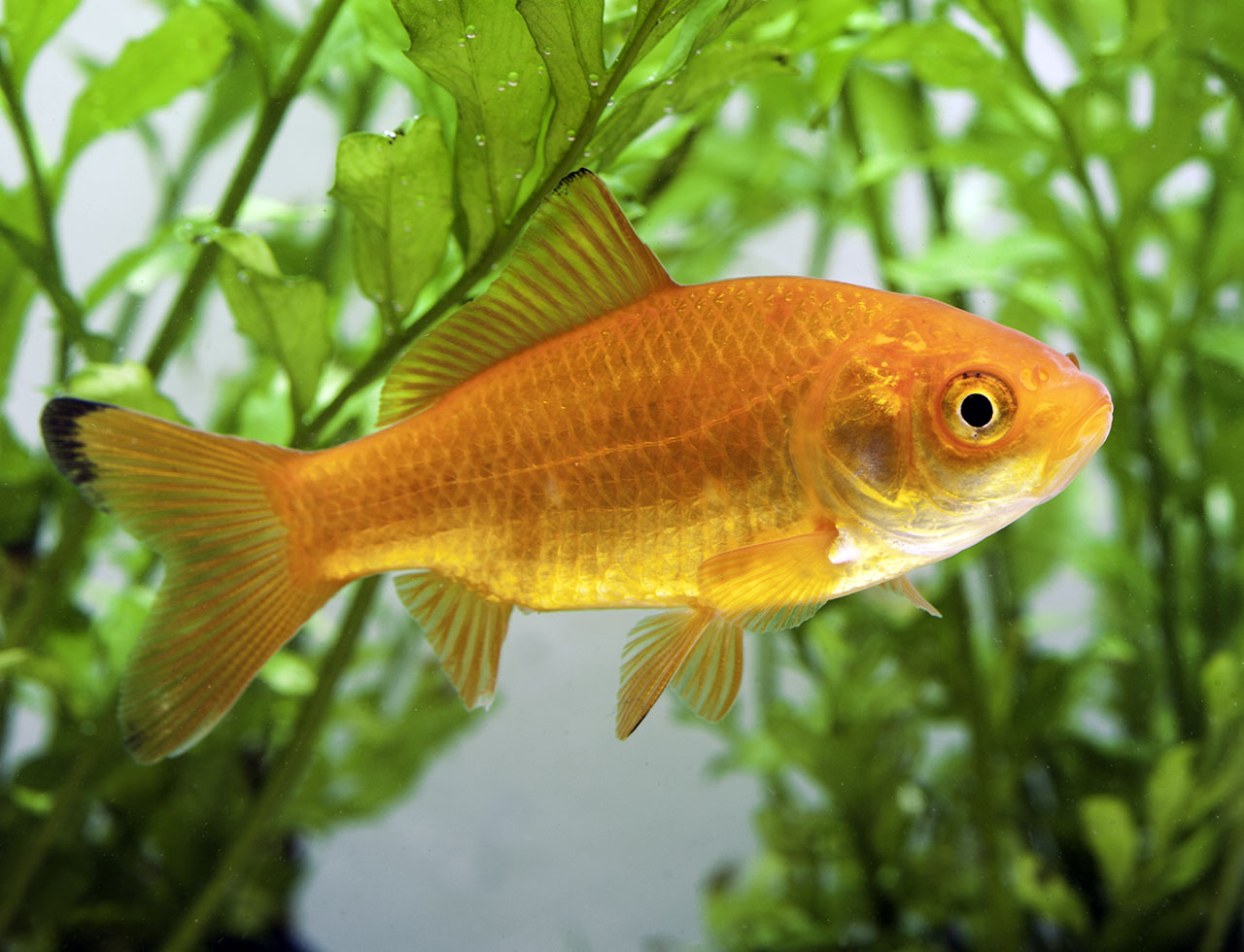
The skeletal muscle is a highly plastic tissue. Its ability to respond to external stimuli and challenges allows it to face the functional needs of the organism. In the goldfish Carassius auratus, a model of hypoxia resistance, exposure to reduced oxygen is accompanied by an improvement of the swimming performance, relying on a sustained contractile behavior of the skeletal muscle. At the moment, limited information is available on the mechanisms underlying these responses. We here evaluated the effects of short- (4 days) and long- (20 days) term exposure to moderate water hypoxia on the goldfish white skeletal muscle, focusing on oxidative status and mitochondrial dynamics. No differences in lipid peroxidation, measured as 2-thiobarbituric acid-reacting substances (TBARS), and oxidatively modified proteins (OMP) were detected in animals exposed to hypoxia with respect to their normoxic counterparts. Exposure to short-term hypoxia was characterized by an enhanced SOD activity and expression, paralleled by increased levels of Nrf2, a regulator of the antioxidant cell response, and HSP70, a chaperone also acting as a redox sensor. The expression of markers of mitochondrial biogenesis (TFAM) and abundance (VDAC) and of the mtDNA/nDNA ratio was similar under normoxia and under both short- and long-term hypoxia, thus excluding a rearrangement of the mitochondrial apparatus. Only an increase of PGC1α (a transcription factor involved in mitochondrial dynamics) was detected after 20 days of hypoxia. Our results revealed novel aspects of the molecular mechanisms that in the goldfish skeletal muscle may sustain the response to hypoxia, thus contributing to adequate tissue function to organism requirements.
Gallo, Samira; Nania, Gianluca; Caruso, Valentina; Zicarelli, Giorgia; Leonetti, Francesco Luigi; Giglio, Gianni; Fedele, Giorgio; Romano, Chiara; Bottaro, Massimiliano; Mangoni, Olga; Scannella, Danilo; Vitale, Sergio; Falsone, Fabio; Sardo, Giacomo; Geraci, Michele Luca; Neri, Alessandra; Marsili, Letizia; Mancusi, Cecilia; Barca, Donatella; Sperone, Emilio
BiologyOpen AccessVolume 12, Issue 7July 2023 Article number 951
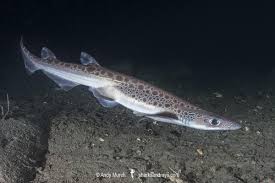
Environmental pollution, particularly in the marine environment, has become a significant concern due to the increasing presence of pollutants and their adverse effects on ecosystems and human health. This study focuses on the bioaccumulation of trace elements in the muscle tissue of the blackmouth catshark (Galeus melastomus) from different areas in the Mediterranean Sea. Trace elements are of interest due to their persistence, toxicity, and potential for bioaccumulation. This research aims to assess the distribution and accumulation of trace elements in the muscle tissue of G. melastomus and investigate their potential impact on the deep-sea environment of the Mediterranean. The focused areas include the Ligurian Sea, the northern and central Tyrrhenian Sea, the southern Tyrrhenian Sea, the Ionian Sea, the Pantelleria Waters, and the Gela Waters. Samples were collected following established protocols, and trace element analysis was conducted using inductively coupled plasma mass spectrometry. The study provides data on the concentrations of 17 trace elements, namely aluminum, arsenic, cadmium, cobalt, copper, manganese, molybdenum, nickel, zinc, selenium, strontium, lead, chromium, iron, barium, bismuth, and uranium. The findings contribute to a better understanding of trace element bioaccumulation patterns in elasmobranch species, specifically G. melastomus, and highlight the potential risks associated with chemical contamination in the Mediterranean Sea. This research emphasizes the importance of studying the impacts of pollutants on marine organisms, particularly those occupying key ecological roles, like sharks, to support effective conservation and management strategies.
Bottaro, Massimiliano; Sinopoli, Mauro; Bertocci, Iacopo; Follesa, Maria Cristina; Cau, Alessandro; Consalvo, Ivan; Scarcelli, Faustino; Sperone, Emilio; Vacchi, Marino; Marsili, Letizia; Consales, Guia; Danovaro, Roberto.
Frontiers in Marine ScienceOpen AccessVolume 102023 Article number 1155731
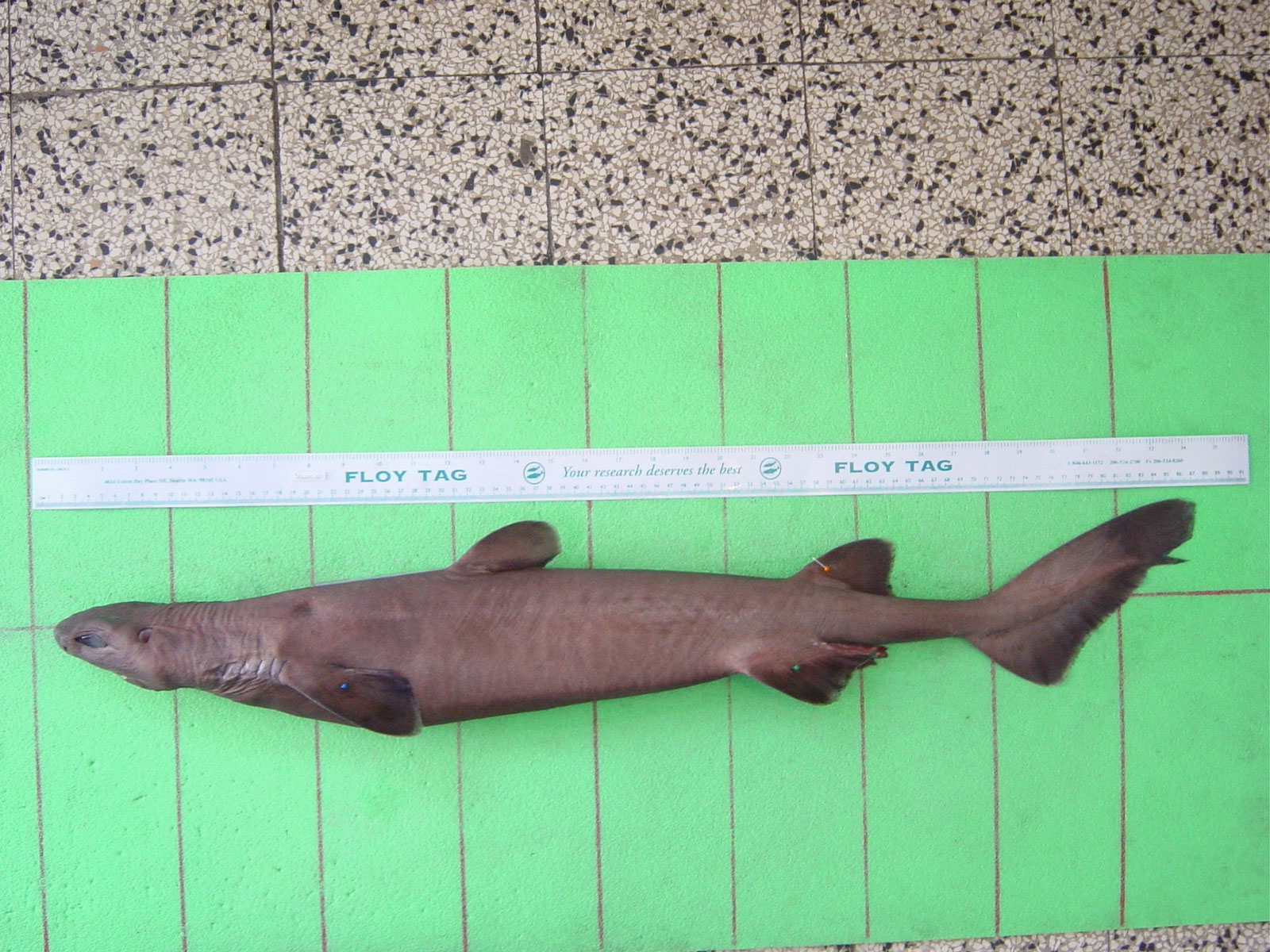
Due to their late maturation, extreme longevity, low fecundity and slow growth rates, deep-sea Chondrichthyes are extremely vulnerable to human impacts. Moreover, assessing the impact of deep-sea fisheries is difficult, as many species (including sharks) are part of the bycatch and are often discarded at sea, and/or landed under generic commercial-species codes. The lack of this information on fishery data sets and the limited availability of species-specific life history data make challenging the management of deep-sea Chondrichthyes. The kitefin shark Dalatias licha is a cosmopolitan elasmobranch, mainly found on continental and insular shelf-breaks and slopes in warm-temperate and tropical waters. This species is a common by-catch of the deep-sea trawling, considered as “Endangered” by the IUCN Red List for all European waters, Mediterranean Sea included. Here we present the results of a study based on a total of 78 specimens of kitefin shark collected over 3 years in the Ligurian Sea (NW Mediterranean) as by-catch from deep-water fisheries. Total length ranged from 380 to 1164 mm, and individual weight ranged from 198 to 8000 g. Immature and mature individuals showed a sex ratio dominated by males. Adult males were observed throughout the year, while mature females were observed only in spring-summer. These data lead to hypothesise a spatial segregation between genders. The kitefin shark diet was dominated by bony fish (mainly Macrouridae) and other small sharks (e.g., Galeus melastomus and Etmopterus spinax), but their gut included plastic items and parasites. Data reported here underline the rarity, complex ecology and the threat for this shark species and support the urgency of promoting initiatives for their monitoring and conservation.
Langeneck, Joachim; Bakiu, Rigers; Chalari, Nikoletta; Chatzigeorgiou, Georgios; Crocetta, Fabio; Doğdu, Servet Ahmet; Durmishaj, Sherif; Galil, Bella S.; García-Charton, José Antonio; Gülşahin, Anil; Hoffman, Razy; Leone, Agostino; Lezzi, Marco; Logrieco, Alessia; Mancini, Emanuele; Minareci, Ersin; Petović, Slavica; Ricci, Pasquale; Orenes-Salazar, Victor; Sperone, Emilio; Spinelli, Andrea; Stern, Nir; Tagar, Aviyam; Tanduo, Valentina; Taşkin, Ergün; Tiralongo, Francesco; Trainito, Egidio; Turan, Cemal; Yapici, Sercan; Zafeiridis, Iasonas; Zenetos, Argyro
Mediterranean Marine ScienceOpen AccessVolume 24, Issue 3, Pages 610 - 6322023
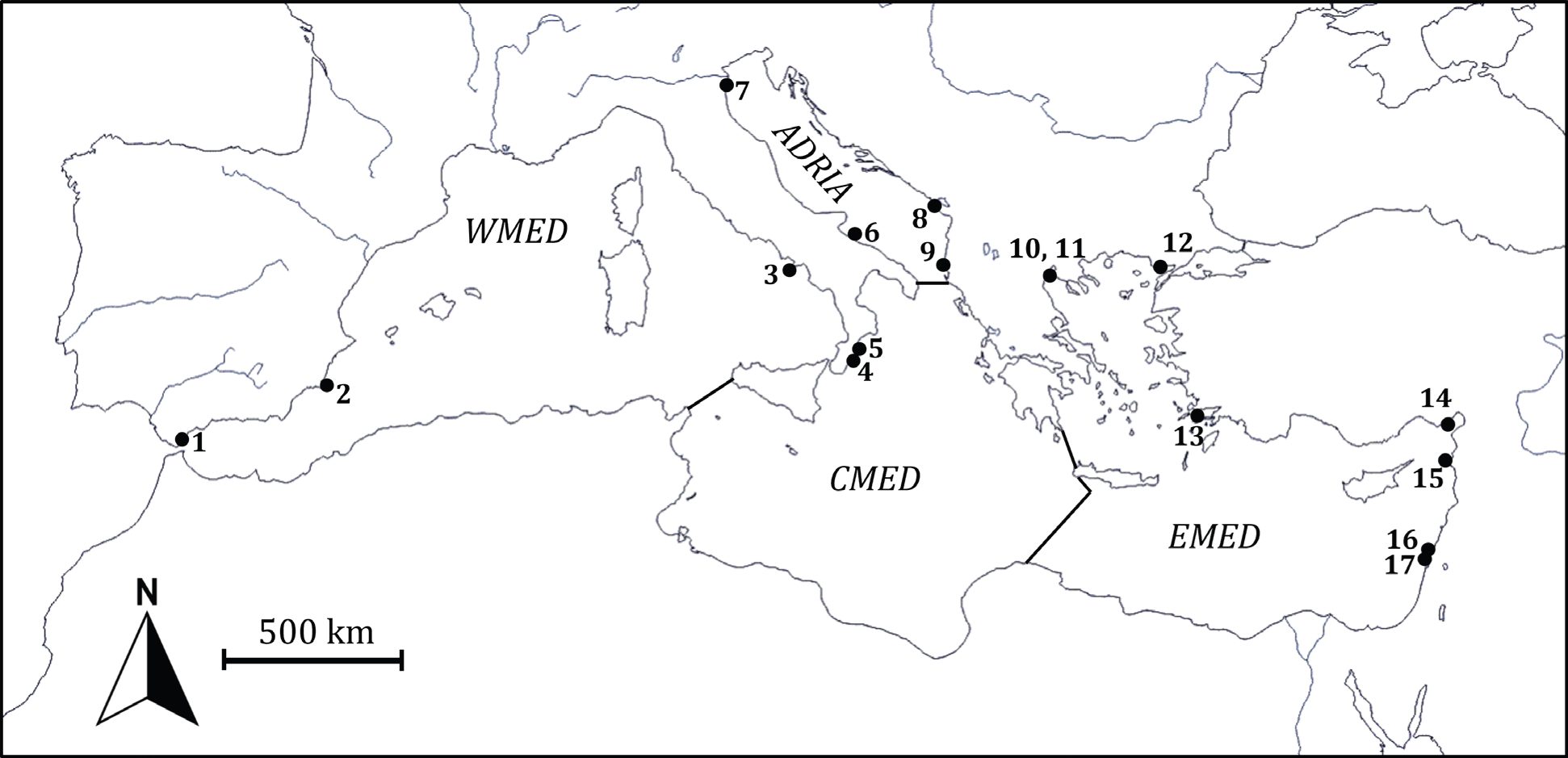
This collective article presents new information about 15 introduced taxa belonging to five phyla: one Rhodophyta, one Chlorophyta, one Mollusca, one Annelida, two Arthropoda, and nine Chordata (one Ascidiacea and eight Osteichthyes). The records refer to eight Mediterranean countries and extend from the Alboran Sea to the Levantine Sea as follows: Spain: first record of the African hind Cephalopholis taeniops for the Alboran Sea, and a further record of the Monrovia surgeonfish Acanthurus monroviae, extending its distribution northwards in the Western Mediterranean. Italy: an additional record of the squat lobster Scyllarus subarctus based on its nisto stage, new records of the lionfish Pterois miles in the north-western Ionian Sea, first records of the bivalve Fulvia fragilis for the Italian Adriatic coast, and a record of the amphipod Ptilohyale littoralis in the northern Adriatic Sea, also representing the first report for the Mediterranean Sea. Montenegro: first record of the non-indigenous ascidian Ciona robusta. Albania: first record of the red cornetfish Fistularia petimba. Greece: first record of the cryptogenic polychaete Alitta succinea in association with ship fouling, suggesting the possibility of a non-indigenous origin of Mediterranean populations of this species, and first record of the Seychelles dragonet Synchiropus sechellensis for the Saronikos Gulf. Türkiye: first record of the red alga Womersleyella setacea, report of an abundant population of the Indian twospot cardinalfish Cheilodipterus novemstriatus in the Turkish Aegean Sea, and first record of Synodus randalli, also corresponding to the first report for the Mediterranean Sea. Syria: first record of the blenny Istiblennius cf. meleagris. Israel: report of an algal bloom of the green alga Codium parvulum, and first record of Synchiropus sechellensis
Zicarelli, Giorgia; Romano, Chiara; Gallo, Samira; Valentino, Carmen; Pepe Bellomo, Victor; Leonetti, Francesco Luigi; Giglio, Gianni; Neri, Alessandra; Marsili, Letizia; Milazzo, Concetta; Faggio, Caterina; Mancusi, Cecilia; Sperone, Emilio
Animals Open Access Volume 13, Issue 6 March 2023 Article number 1039
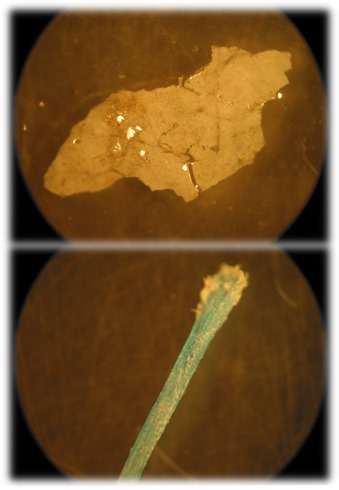
Galeus melastomus is the most common Pentanchidae in the Mediterranean Sea. A scavenger and opportunistic feeder, and despite the wide distribution, little is known about its feeding habits in Italian waters. The main purpose of this study was to investigate the diet of the blackmouth catshark by analysing the stomach contents. The specimens analysed were obtained from five populations of the Tyrrhenian and of the Ionian Seas, collected from a depth between 40 and 700 m. A total of 259 stomachs were analysed. The stomach contents were grouped into macro-categories and identified to the lowest taxonomic level possible. Crustaceans such as Parapenaeus longirostris, the Cephalopods Heteroteuthis dispar and Onychoteuthis banksii, and Osteichthyes, mostly Myctophidae, were identified. Plastic debris was also found among the stomach contents and classified according to its colour and shape. Osteichthyes represent the most abundant item (44%), above all the Myctophidae family, except for the catshark population from Tuscany, in which the most frequent species were Cephalopods, such as Abralia veranyi and Heteroteuthis dispar. Differences in the plastic debris contents were also observed between the Tuscany population and other populations. These could be explained as a probable consequence of the different depths at which the blackmouth catshark populations were sampled.
Micarelli, Primo; Reinero, Francesca Romana; D’Agnese, Riccardo; Pacifico, Antonio; Giglio, Gianni; Sperone, Emilio
Diversity Open Access Volume 15, Issue 3 March 2023 Article number 433
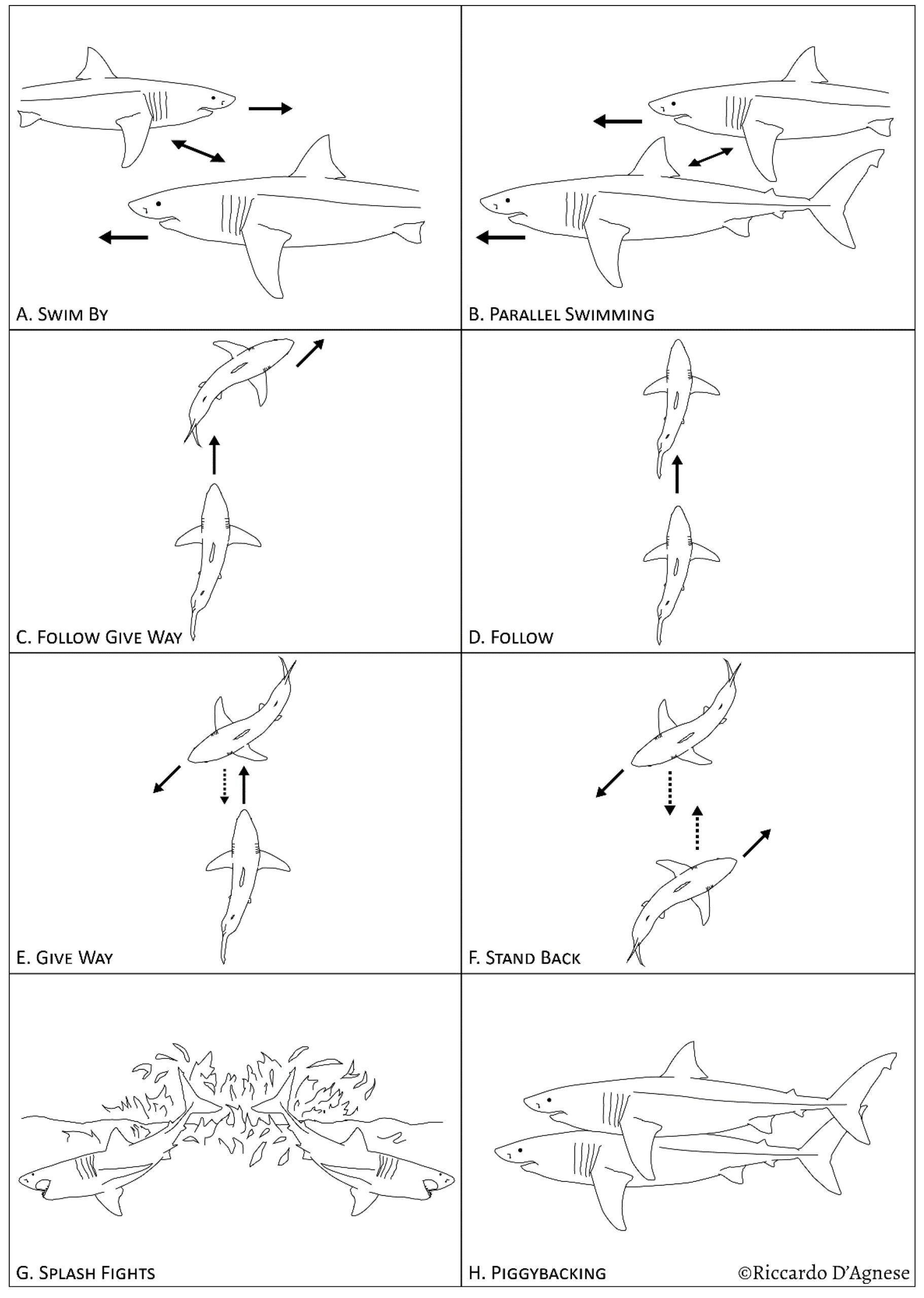
Knowledge about the social behavior of sharks is a growing research field, but not many observations are available on the social interactions between pairs of sharks in the presence of passive surface bait and mainly related to aggregations. Between 2009 and 2018, in Gansbaai, South Africa, 415 white sharks were sighted, and 525 surface-generated social interactions were identified, exhibited by 169 different white sharks. The mean sighting rate was 0.91 (range 0.18–1.53) white sharks per hour. Eight patterns of social interaction were exhibited: swim by, parallel swim, follow/give way, follow, give way, stand back, splash fights, and piggyback. Non-random interactions occurred when pairs of specimens approached the passive surface bait, confirming that the white sharks made a real choice, showing a dominance hierarchy during the ten years of data collection. Evidence of non-random social interactions in the surface behavior of bait-attracted white sharks Carcharodon carcharias in Gansbaai’s transient population was the goal of this research.
Filice, Mariacristina; Reinero, Francesca Romana; Cerra, Maria Carmela ; Faggio, Caterina; Leonetti, Francesco Luigi; Micarelli, Primo; Giglio, Gianni; Sperone, Emilio; Barca, Donatella; Imbrogno, Sandra
Antioxidants Open Access Volume 12, Issue 2 February 2023 Article number 524
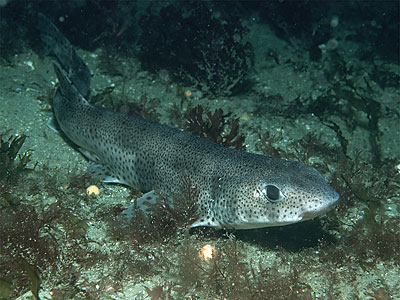
Marine pollution, due to the regular discharge of contaminants by various anthropogenic sources, is a growing problem that imposes detrimental influences on natural species. Sharks, because of a diet based on smaller polluted animals, are exposed to the risk of water contamination and the subsequent bioaccumulation and biomagnification. Trace elements are very diffuse water pollutants and able to induce oxidative stress in a variety of marine organisms. However, to date, studies on sharks are rather scarce and often limited to mercury. In this context, the present study aimed to analyze the accumulation of trace elements and their putative correlation with the onset of an oxidative status in the muscle of the lesser spotted dogfish Scyliorhinus canicula, from the Central Mediterranean Sea. Ecotoxicological analysis detected the presence of Pb, As, Cd, Mn, Zn, Ni, Cu, and Fe; no significant differences were observed between sexes, while a negative correlation was found between Pb and animal length. Analysis of oxidative stress markers showed either positive or negative correlation with respect to the presence of trace elements. Lipid peroxidation (TBARS) positively correlated with Zn, Ni, and Fe; SOD enzyme activity negatively correlated with Cu and Ni; LDH was negatively correlated with Fe and positively correlated with Pb. Moreover, positive correlations between the leukocyte count and Mn and Zn, as well as with LDH activity, were also observed. The data suggested that, in sharks, trace elements accumulation may affect oxidant and antioxidant processes with important outcomes for their physiology and health.
Reinero, Francesca Romana; Becerril-García, Edgar Eduardo; Elorriagaverplancken, Fernando R.; Melo-Barrera, Felipe Neri; Toraldo-Serra, Maria Ludovica; Giglio, Gianni; Micarelli, Primo; Tripepi, Sandro; Galván-Magaña, Felipe; Sperone, Emilio
Mediterranean Marine ScienceOpen AccessVolume 24, Issue 1, Pages 1 - 62023
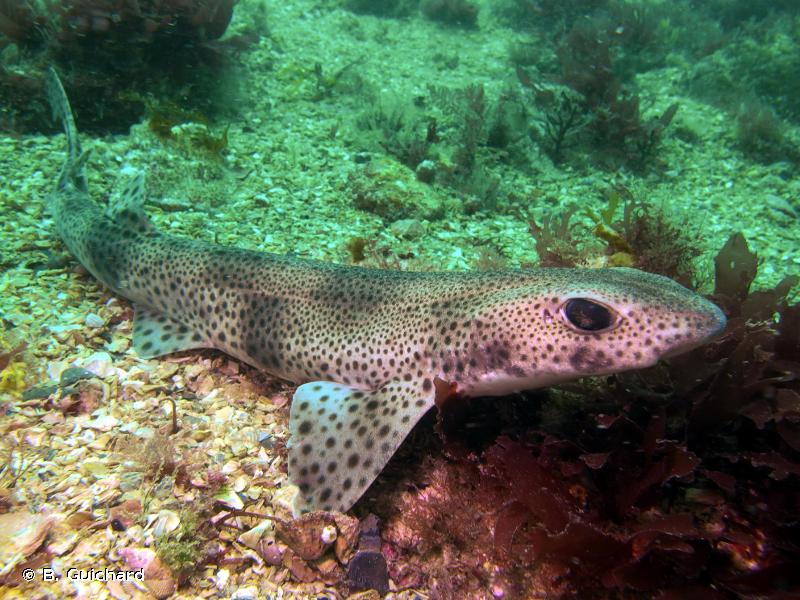
Stable isotopes (δ13C and δ15N) were analysed in vertebrae of Scyliorhinus canicula (n=40, 13 males, 27 females) from the central Tyrrhenian Sea to explore a potential trophic shift in relation to sex and maturity condition. Isotopic values were obtained from the centre and the periphery of the vertebra of each individual to test for the effect of maturity condition. The values of δ13C and δ15N showed significant differences between the immature and mature state of the individuals analysed (U’=1392, P<0.0001 for δ13C, U’=1385, P<0.0001 for δ15N). Differences in values of δ15N demonstrated a trophic shift during maturation progress of S. canicula. The peripheral vertebral part, corresponding to the mature state of each individual, showed higher values of δ15N (mean 5.41‰ SD±1.29‰), compared with the lower values of δ15N (mean 2.78‰ SD±1.52‰) observed in the central vertebral part related to the immature state. In contrast, the isotopic signature of δ13C was lower in the vertebral centra, and thus related to areas less enriched in C13 (mean -22.56‰ SD±1.26‰) in comparison with the vertebral periphery (mean -20.03‰ SD±1.34‰) linked to more productive environments. No significant differences in δ13C or for δ15N values were observed between sexes.
Micarelli, Primo; Reinero, Francesca Romana; Marsella, Andrea; Vernelli, Enrico; Vittorini, Enrico; Monteleone, Luca; Vailati, Matteo; Marsili, Letizia; Tinti, Fausto; Sperone, Emilio.
Acta AdriaticaOpen AccessVolume 64, Issue 2, Pages 181 - 1862023
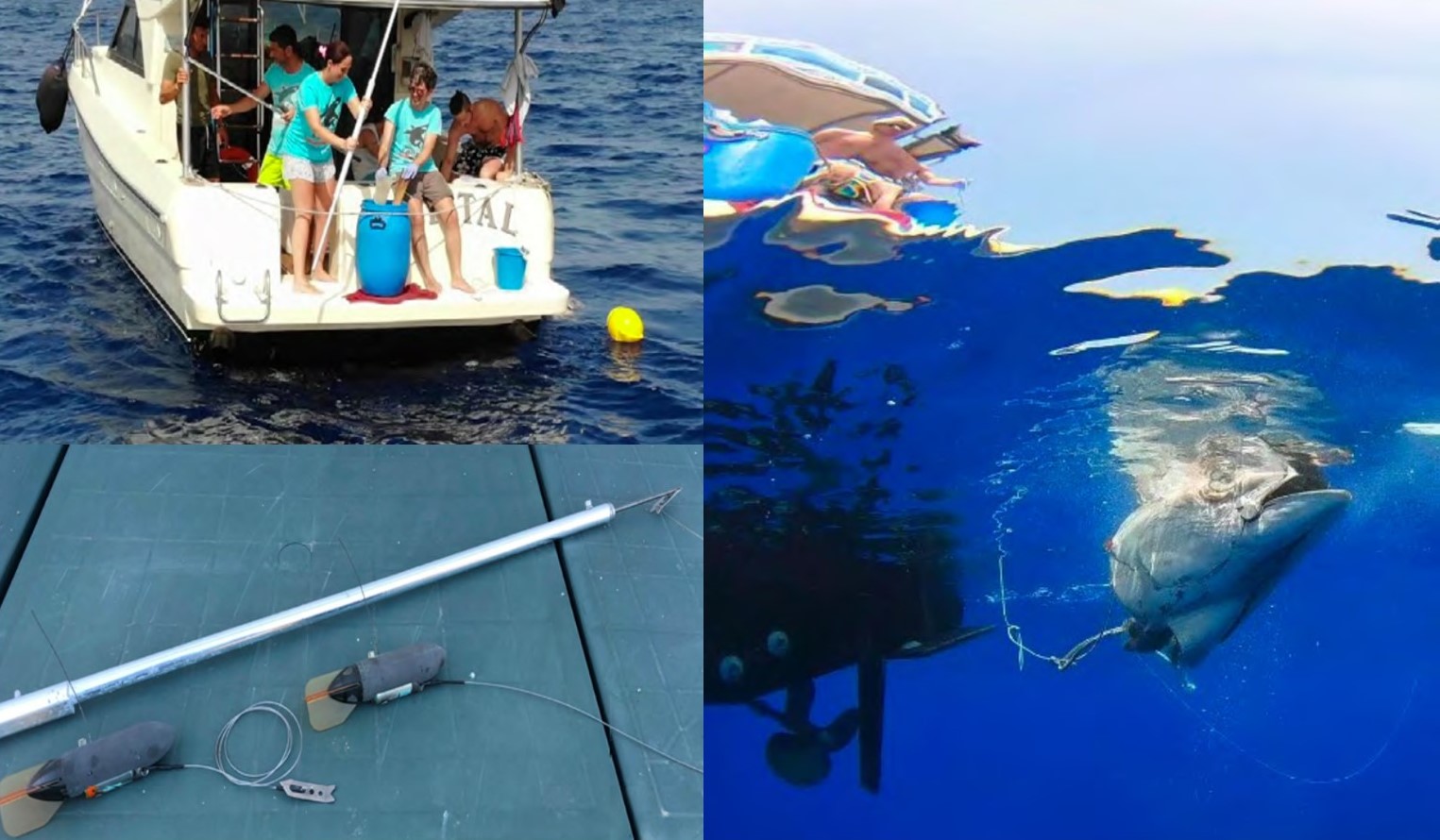
Described in the present report are documented attempts to tag and sample the white shark, Carcharodon carcharias (Linnaeus, 1758), along Italian coasts in the Mediterranean Sea, which took place near the Lampedusa Island in the lower Tyrrhenian Channel of Sicily, off the coast of Rimini in the Adriatic Sea, and of Civitavecchia in the central Tyrrhenian Sea. The project, activated in 2015, was aimed at tagging and sampling specimens of the white shark in order to collect data useful to implement conservation strategies in the Mediterranean Sea. Despite four tagging attempts made in 2017, 2018, 2021, and 2022 with 288 total hours of baiting activity and the use of 1030 kg of chum, no white sharks or any other shark species were sighted.
Olga M. Azevedo, A. M. Correia, P. Micarelli, F. Reinero, Giuseppe Rijllo, G. Giglio, E. Sperone
Environmental Science, Biology
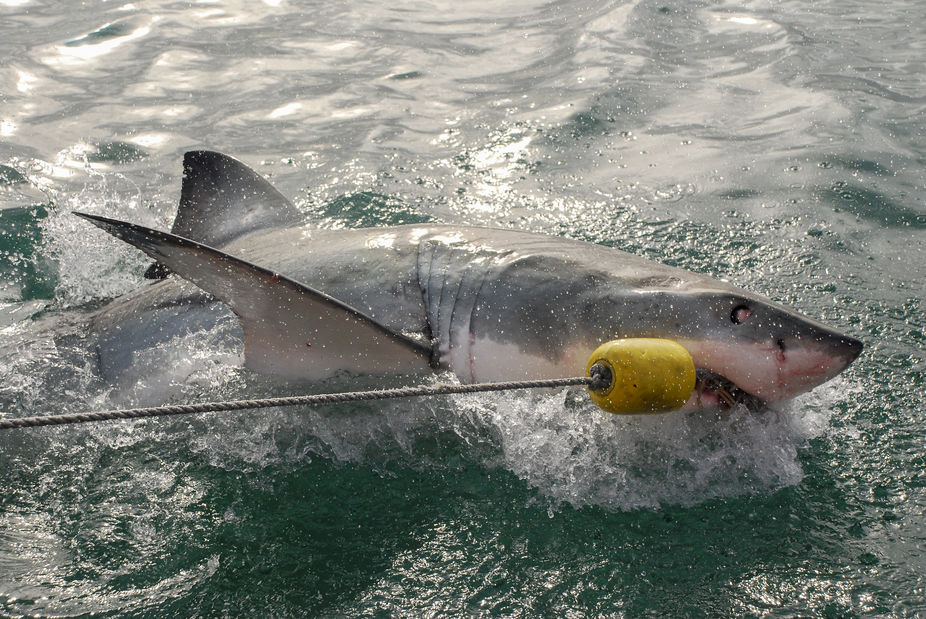
The white shark (Carcharodon carcharias) is a charismatic species and, consequently, one of the most studied and protected sharks. This species can be found in a wide range of temperatures and depths, showing site fidelity and migrating across the oceans. This offers a challenge to understanding the processes influencing their lifecycle and, more importantly, assessing anthropogenic disturbances to their populations. These predators’ behaviour has been linked to diverse abiotic factors. Here, an ethological approach was used to understand the influence of environmental variables on white shark behaviour. A different environmental impact was found between the activity of females and males toward the bait. Females performed a higher number of behaviours under daylight, lower sea surface temperatures, short wavelets, clear and cloudy skies, under La Niña events, elevated moonlight and high tides. Males behaved with more complexity at dawn, medium sea surface temperatures, large wavelets, few clouds, high tides, and elevated moonlight. The world’s aquatic habitats are experiencing significant physiochemical shifts due to human-induced climate change. Knowledge about how white sharks respond to environmental factors is essential to guide management and conservation actions.
Patrizia Rima, Emilio Sperone
Herpetology Notes
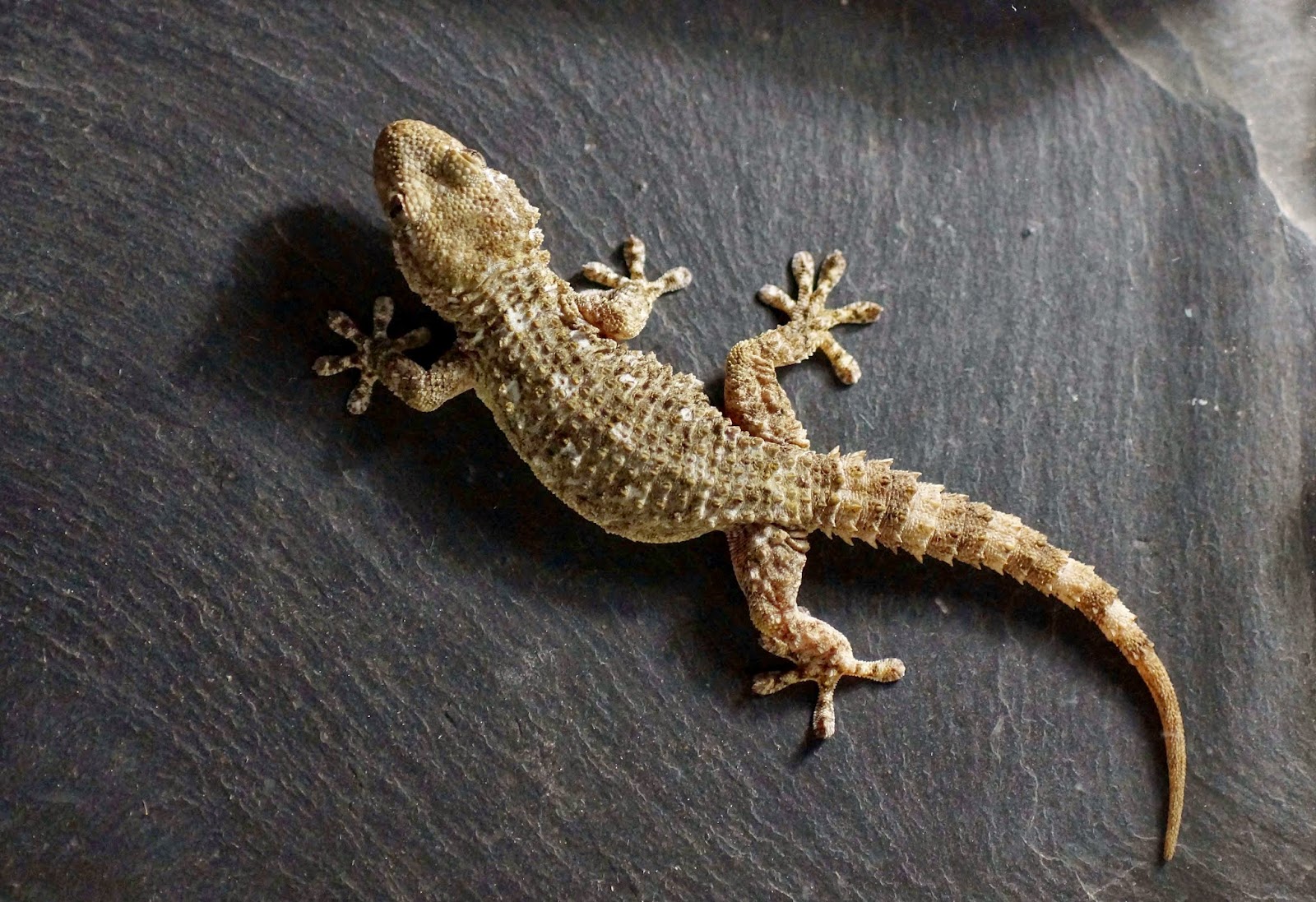
The Moorish Gecko, Tarentola mauritanica, is a common species native to the Mediterranean. It is present throughout Italy, along all coastaland near-coastal areas, both peninsular and insular, with the exception of the Alps; the populations in the Po Valley, in inland peninsular Italy, and in the north-central Adriatic are likely introduced. This gecko shows marked anthropophilicbehaviour, being commonly observed on walls in urban environments and frequently inhabiting anthropogenic habitats in the human-modified countryside . However, the species is also found in varied natural habitats, from rock cliffs in relatively wet and wooded zones, to true deserts
F. Reinero, E. Sperone, G. Giglio, A. Pacifico, M. Mahrer, P. Micarelli
Animals
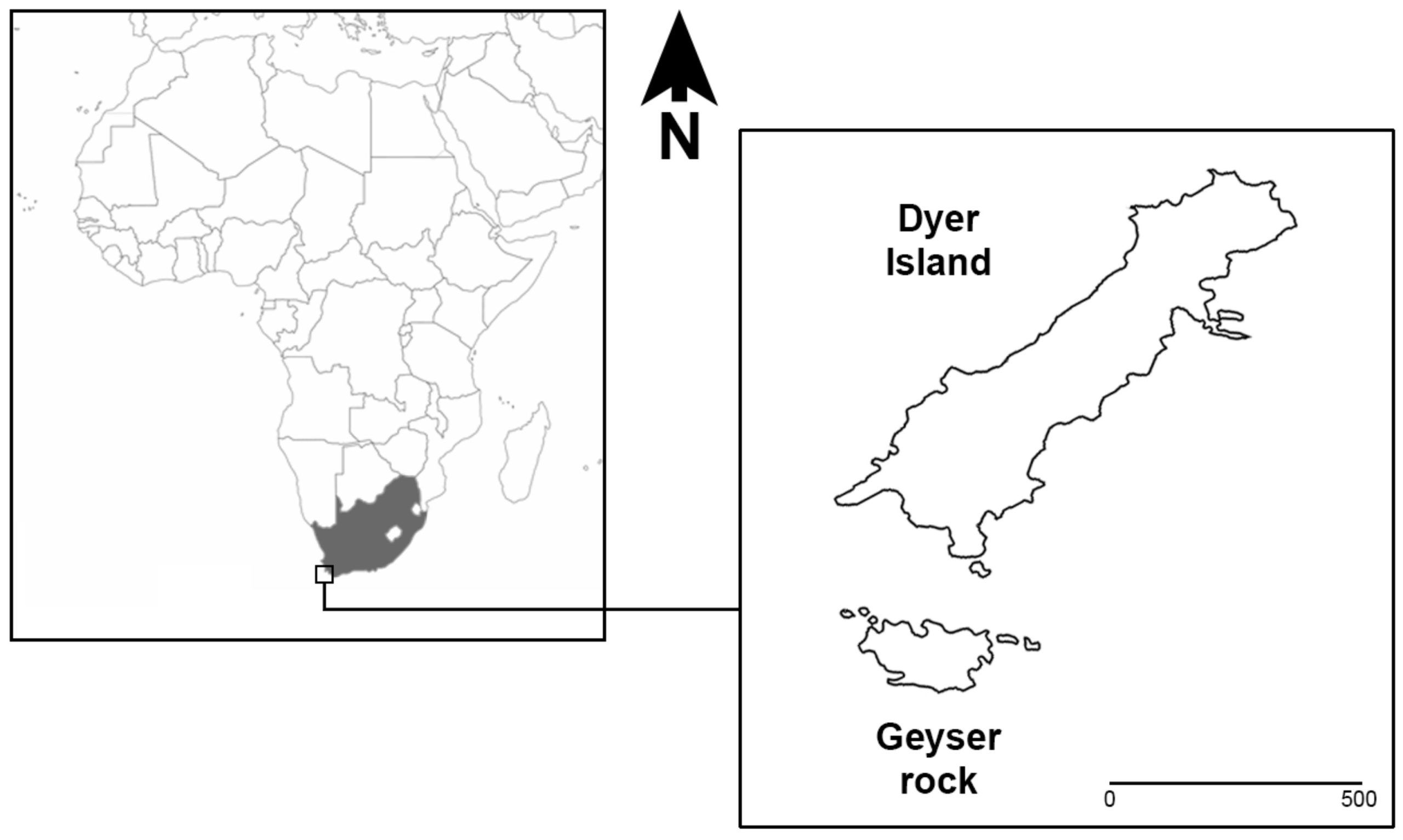
The influence of environmental factors on prey discrimination of bait-attracted white sharks was studied over a six-year period (2008–2013) at Dyer Island Nature Reserve (Gansbaai, South Africa). Across 240 bait-attracted feeding events observed in this period, both immature and mature white sharks were attracted by the seal-shaped decoy rather than the tuna bait, except for the years 2008 and 2011. Tide ranges, underwater visibility, water temperature, and sea conditions were, in decreasing order, the factors which drove white sharks to select the seal-shaped decoy. High tide lowered the minimum depth from which sharks could approach seals close to the shore, while extended visibility helped the sharks in making predatory choices towards the more energy-rich prey source, the odorless seal-shaped decoy. On the contrary, warmer water is associated with an increase in phytoplankton that reduces underwater visibility and increases the diversity of teleosts including tuna—a known prey of white sharks—driving the sharks to favor the tuna bait. Overall, sea conditions were almost always slightly rough, ensuring a good average underwater visibility. Recommendations for future research work at this site are presented.
Andrea Chiocchio, Mauro Zampiglia, Marta Biaggini, Roberto Biello, Luciano Di Tizio, Francesco Luigi Leonetti, Oliviero Olivieri, Emilio Sperone, Massimo Trabalza-Marinucci, Claudia Corti & Daniele Canestrelli
BMC Ecology and Evolution
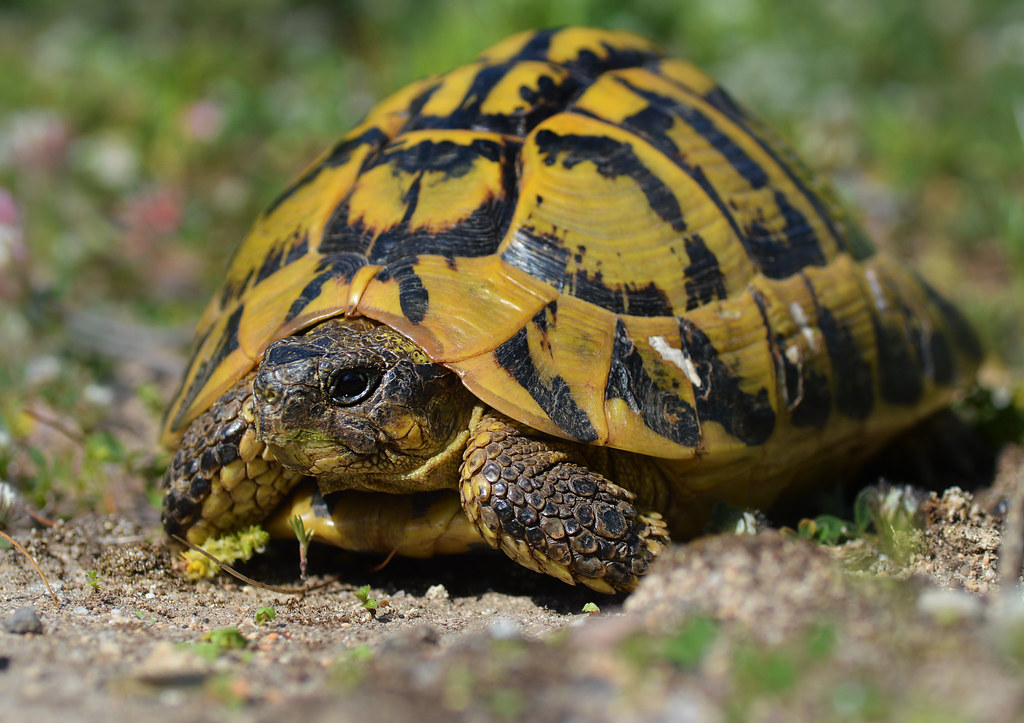
Background: Hotspots of intraspecific genetic diversity represent invaluable resources for species to cope with environmental changes, and their identification is increasingly recognized as a major goal of conservation ecology research. However, even for iconic and endangered species, conservation strategies are often planned without thorough information on the geographic patterns of genetic variation. Here, we investigated the spatial patterns of genetic variation of the endangered Hermann’s tortoise Testudo hermanni in the Italian Peninsula by genotyping 174 individuals at 7 microsatellite loci, with the aim to contribute to planning effective conservation strategies. Results: Ordination-based and Bayesian clustering analyses consistently identified three main genetic clusters, one spread in the central and northern part of the peninsula, and two restricted to southern Italy and Sicily, respectively. The highest levels of genetic diversity were found in populations of the southern cluster and, in particular, at the northern edges of its distribution (He > 0.6, Ar > 2.8), that correspond to areas of putative secondary contact and admixture between distinct lineages. Our results clearly identify a hotspot of genetic diversity for the Hermann’s tortoise in southern Italy. Conclusion: We inferred the evolutionary history and the spatial patterns of genetic variation of the Hermann’s tortoise in the Italian Peninsula. We identified three main genetic clusters along the peninsula and a hotspot of intraspecific diversity in southern Italy. Our results underline the urgent need for conservation actions to warrant the long-term persistence of viable tortoise populations in this area. Furthrmore, these data add further evidence to the role of southern Italy as a biodiversity hotspot for temperate fauna, claiming for higher consideration of this area in large scale conservation programs.
Ilaria Bernabò , Maurizio Biondi, Viviana Cittadino, Emilio Sperone, Mattia Iannella
Global Ecology and Conservation
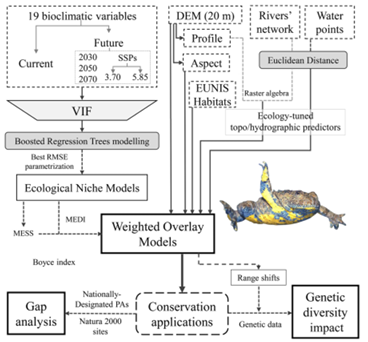
Climate and land cover changes are the two most important stressors causing the decline of amphibians’ populations worldwide. Within the Mediterranean area, one of the global biodiversity hotspots, the endemic Italian yellow-bellied toad (Bombina pachypus) suffered the same fate, as the decreases and local extinctions proved over time. Since the need to preserve this Apennine endemic species is evident, we take advantage of a novel approach combining climate-based ecological niche models and post-modelling GIS techniques (i.e., the weighted overlay framework) to produce finer species distribution models for B. pachypus. In doing so, we coupled climate variables with topographic-, hydrologic-, and habitat-related predictors, sharpening the potential species’ distribution at its whole range scale. Our findings show a latitudinal subdivision in predicted suitability: Central Apennines populations are expected to suffer more than the Northern ones, with considerable potential future losses of genetic diversity. On the contrary, Southern Apennines’ suitability is predicted to remain stable over time, preserving the vast diversity. When assessing the coverage that protected areas offer to the locations of suitable habitats for B. pachypus, the protected sites of the Central Apennines result in slightly less suitable conservation areas than those in the Northern and Southern Apennines. The overall protected areas coverage is currently low (~20%) and predicted in the future to narrow towards medium suitability values, except in Southern Apennines, where an increase is inferred. In light of our spatially-explicit results, we suggest that a national-scale conservation strategy should consider different management options according to the sub-territories that our analyses highlighted. Our coupled “weighted modelling – spatialised genetic inference” approach permits us to support different conservation policies at all spatial scales, capitalising on relatively few input data. Also, in-depth spatial analyses should be performed to support effective protection strategies and management for the conservation stakeholders.
Gallo S.;Rigers B.;Bottaro M.;Cetkovic I.;Enajjar S.;Giglio G.;Lanteri L.;Mancusi C.;Barash A.;Carbonara P.;Clo S.;Shakman E.;Giovos I.;Lelli S.;Mohammed A.;Barone M.;Roberto C.;De Sabata E.;Garibaldi F.;Kabasakal H.;Lipej L.;Mazzoldi C.;Moro S.;Romano C.;Sperone E.;Serena F.;Micarelli P.;Bradai M. N.;Saidi B.;Tiralongo F.;Morey G.;Di Sciara G. N.;Soldo A.;Zava B.
2022 IEEE International Workshop on Metrology for the Sea; Learning to Measure Sea Health Parameters, MetroSea 2022 - Proceedings
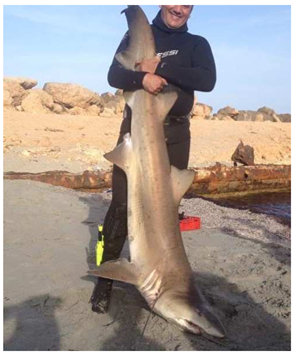
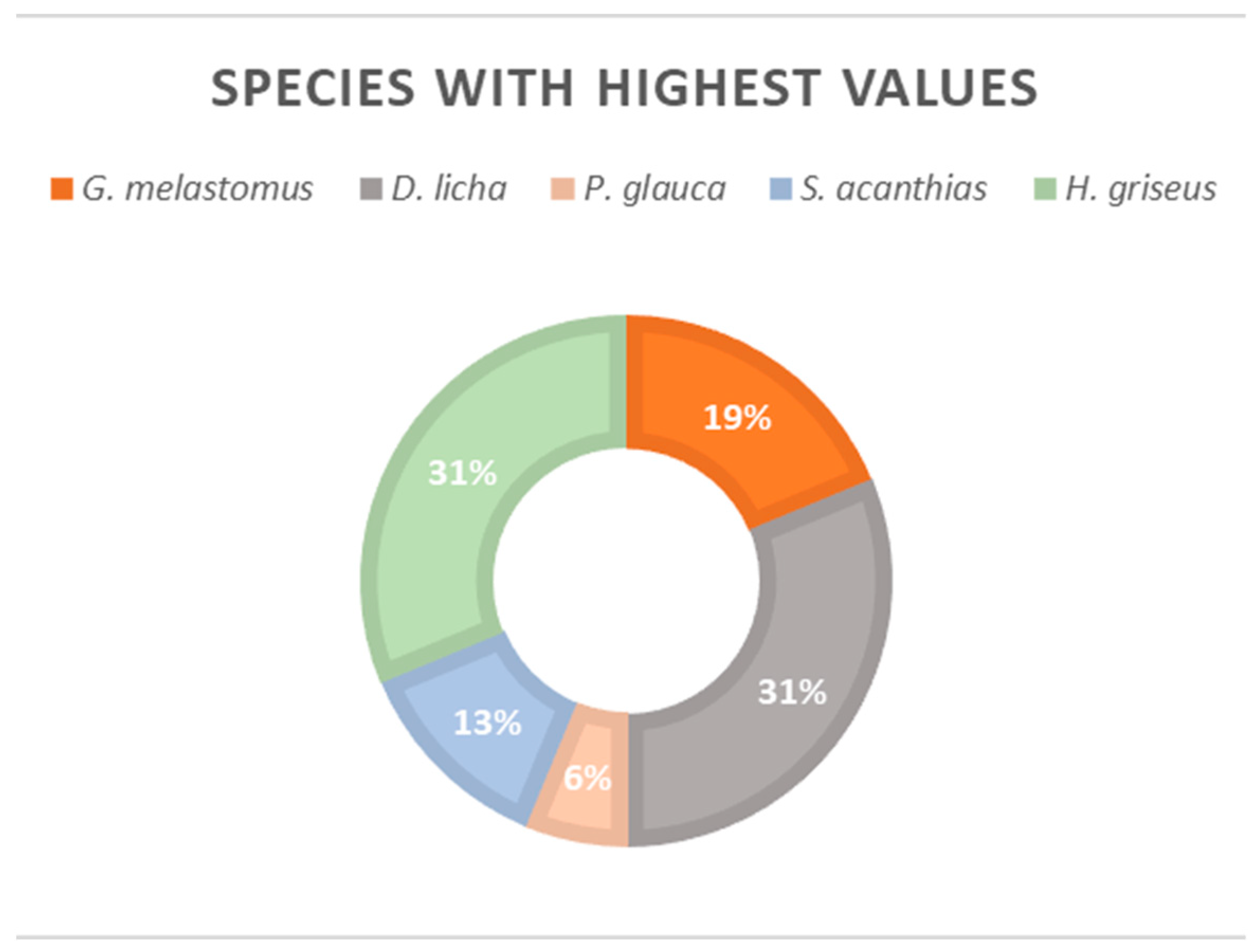
This contribution aims to increase the information of the MEDLEM (Mediterranean Large Elasmobranchs Monitoring) program, presenting the results of the analyzes on the data collected and acquired in the last 5 years (from 2017 to 2022). There are a further 989 records, relating to 35 taxa from 17 countries and representative of almost all the GSAs of the Mediterranean. The most frequent species reported is the sandbar shark (Carcharhinus plumbeus, 31,5% of the records), followed by the bluntnose sixgill shark (Hexanchus griseus, 20,5% of the records). New data on other rare and endangered species of elasmobranchs are reported.
Chiara Romano, Samira Gallo, Giorgia Zicarelli, Gianni Giglio, Francesco Luigi Leonetti, Concetta Milazzo, Ilaria Barnabò, Toni Mingozzi, Emilio Sperone
2022 IEEE International Workshop on Metrology for the Sea; Learning to Measure Sea Health Parameters
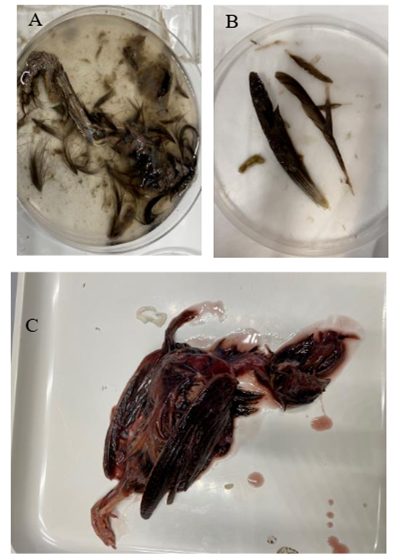
Predation and/or scavenging on terrestrial birds by sharks is a poorly documented issue especially in the Mediterranean. The present study reports the first record of blackmouth catshark and blue shark predation/scavenging on terrestrial birds (common blackbird, typical warbler and European quail) in the Central Mediterranean. This case could imply the intentional and opportunistic predation, especially by blue sharks, on terrestrial birds flying on the surface of thewater. On the other hand, exhausted migrating terrestrial birdscould fall into the sea and thus become prey.
Francesca Romana Reinero, Concetta Milazzo, Marco Minervino, Cristian Marchi , Mariacristina Filice, Laura Bevacqua, Gianni Giglio, Francesco Luigi Leonetti, Primo Micarelli, Sandro Tripepi, Donatella Barca, Emilio Sperone
Biology
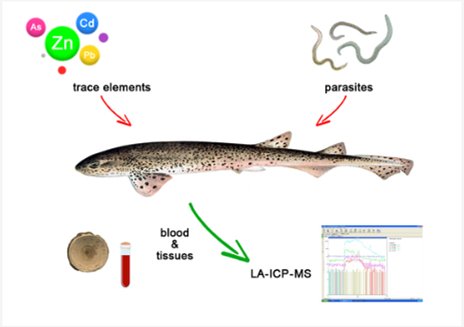
Parasitological, hematological, and ecotoxicological analyses were carried out on a population of lesser spotted dogfish Scyliorhinus canicula from the central Mediterranean Sea. Parasitological analyses highlighted a poor helminthic community, highly dominated by a single taxon represented by the cestode Nybelinia sp. No differences in the parasitic load between females and males were observed. Hematological analyses showed that the number of leukocytes was significantly lower in the sharks that resulted in parasitism, and this could be due to the ability of some trace elements, such as arsenic, weakening the immune system and exposing animals to a higher risk of parasite infection, although further hematological and parasitological analyses are required on a larger number of samples. Trace elements analyses in the vertebrae, skin, and liver highlighted that the most abundant and potentially toxic elements were lead (Pb), arsenic (As), and cadmium (Cd). Other trace elements were also abundant, such as manganese (Mn), zinc (Zn), nickel (Ni), copper (Cu), and iron (Fe). Pb, As, and Mn showed the highest concentrations in vertebrae, while Cd, Cu, and Zn were the highest in the liver, probably due to their concentration in the prey items of the sharks; Fe and Ni showed the highest concentrations in the skin, due to their presence in the water column, especially along the coast where animals were collected. The concentration of some trace elements analyzed in the vertebrae decreased with the growth of the sharks. These results confirm that elasmobranchs, being predators at the apex of the marine food chain, act as final receptors for a series of polluting elements regularly discharged into the sea.
Barbato, Matteo; Barría, Claudio; Bellodi, Andrea; Bonanomi, Sara; Borme, Diego; Ćetković, Ilija; Colloca, Francesco; Colmenero, Ana I.; Crocetta, Fabio; De Carlo, Francesco; DEMİR, Egemen; Lorenzo, Manfredi Di; Follesa, Maria Cristina; Garibaldi, Fulvio; Giglio, Gianni; Giovos, Ioannis; Guerriero, Giulia; Hentati, Olfa; Ksibi, Mohamed; Kruschel, Claudia; Lanteri, Luca; Leonetti, Francesco Luigi; Ligas, Alessandro; Madonna, Adriano; Skoko, Sanja Matić; Mimica, Renata; Moutopoulos, Dimitrios K.; Mulas, Antonello; Nerlović, Vedrana; Pešić, Ana; Porcu, Cristina; Riginella, Emilio; Sperone, Emilio; Tsouknidas, Konstantinos; Tunçer, Sezginer; Vrdoljak, Dario; Mazzoldi, Carlotta
Mediterranean Marine Science, Volume 22, Issue 3, Pages 603 - 6222021
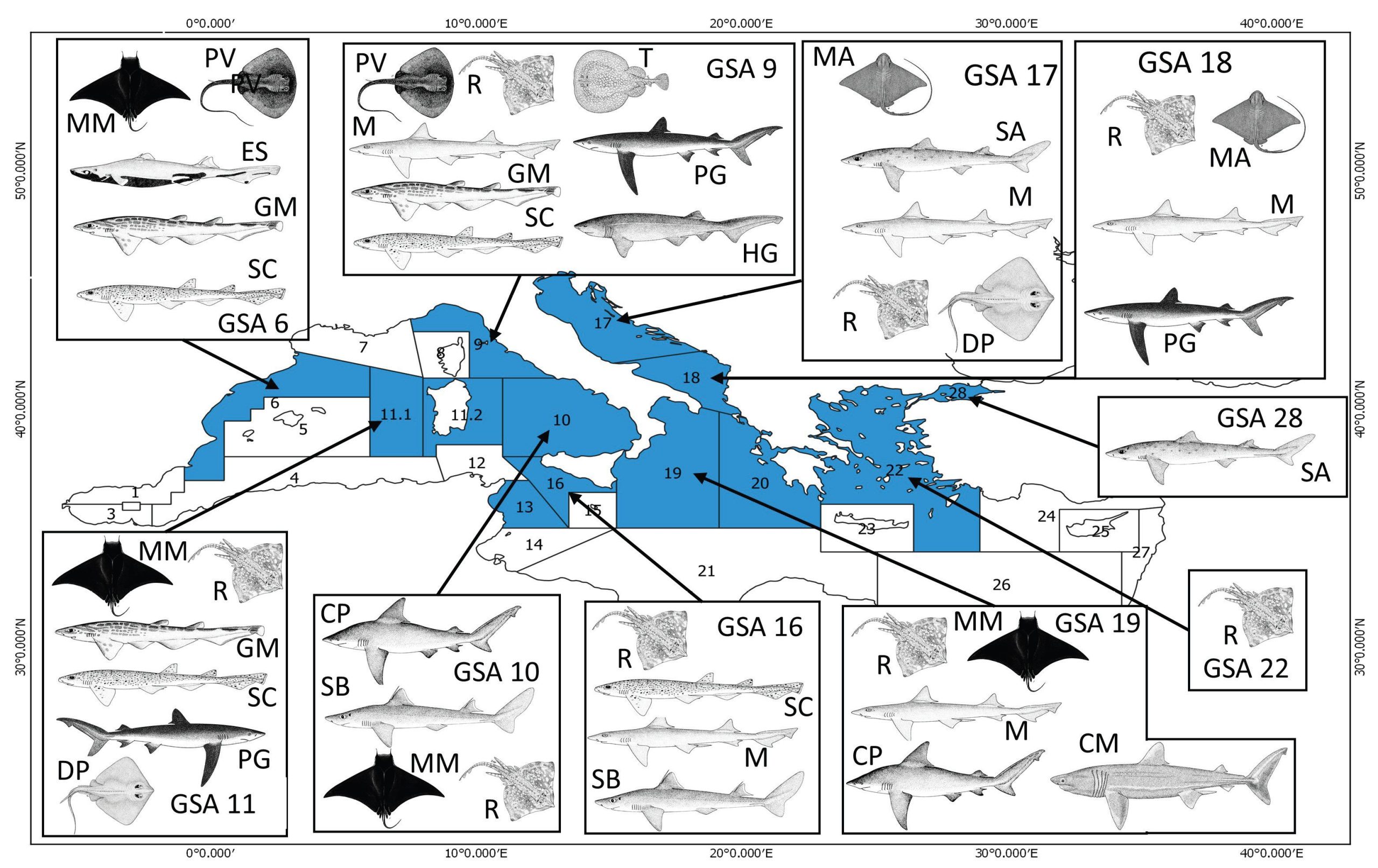
The Mediterranean Sea has a long-lasting history of fishery exploitation that, together with other anthropogenic impacts, has led to declines in several marine organisms. In particular, elasmobranch populations have been severely impacted, with drastic decreases in abundance and species diversity. Based on their experience, fishers can provide information on marine species occurrence, abundance and behavioural traits on a long-term scale, therefore contributing to research on the poorly studied biological aspects of elusive or rare elasmobranch species. In this study, for the first time, the Local Ecological Knowledge (LEK) of fishers was applied to study the behavioural traits of sharks, rays and skates in 12 FAO-GFCM geographical sub-areas (GSAs) of the Mediterranean Sea. This study found both new insight and proved the reliability of LEK-based catch seasonality, reflecting seasonal movements, by comparing LEK-based findings and available literature on five elasmobranch taxa (Mustelus spp., Squalus acanthias, Raja spp., Myliobatis aquila and Scyliorhinus stellaris) in the Adriatic Sea and 7 taxa (Mustelus spp., Raja spp., Prionace glauca, Scyliorhinus canicula, Torpedo spp., Pteroplatytrygon violacea and Isurus oxyrinchus) in the remaining Mediterranean GSAs. In addition, LEK provided new insights into a novel comprehensive representation of species aggregations (Mustelus spp., S. acanthias, M. aquila and S. canicula) in the sampled GSAs and supplied the first descriptions of the size, number of individuals and sex composition of the aggregations. When the limits and shortcomings of LEK-based research are considered, this methodology can be a complementary and cost-effective tool used to study elasmobranchs in either a data-poor scenario or a scenario in which a baseline is missing. LEK can also be useful for the evaluation and inclusion of fishers' perceptions of bottom-up management and to provide important evidence for conservation plans.
Reinero, Francesca Romana; Milazzo, Concetta; Minervino, Marco; Marchio, Cristian; Filice, Mariacristina; Bevacqua, Laura; Giglio, Gianni; Leonetti, Francesco Luigi; Micarelli, Primo; Tripepi, Sandro; Barca, Donatella; Sperone, Emilio
2021 IEEE International Workshop on Metrology for the Sea: Learning to Measure Sea Health Parameters, MetroSea 2021 - ProceedingsPages 433 - 4372021
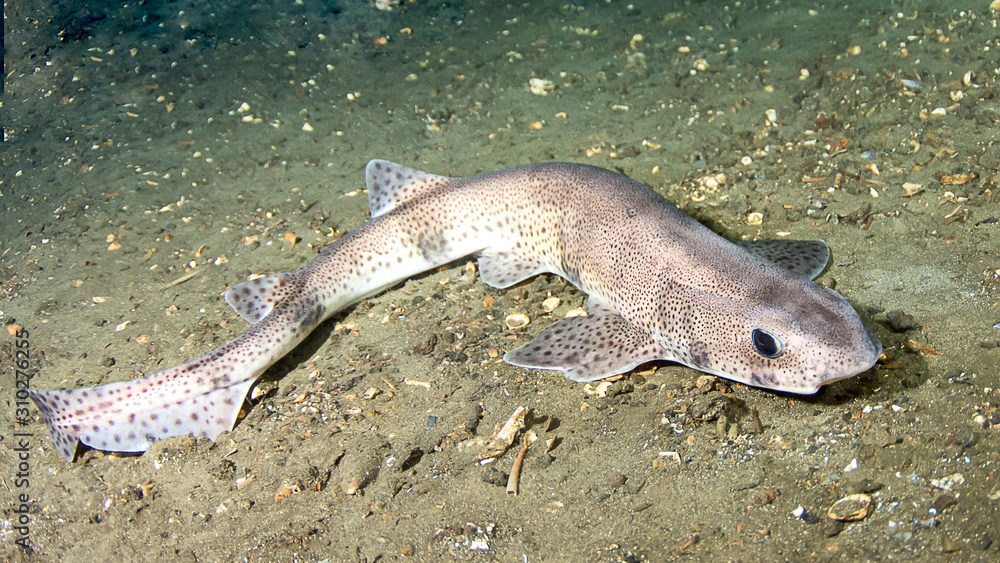
The lesser spotted dogfish Scyliorhinus canicula has an important role in the trophic web of demersal fish communities, representing an important trophic link between invertebrates and larger predatory fish. Despite its scientific interest, there is still scarce knowledge about many biological and ecological aspects of this shark. Parasitological, hematological and ecotoxicological analyses were carried out on a population of lesser spotted dogfish S. canicula from central Mediterranean. Parasitological analyses highlighted a poor helminthic community, highly dominated by a single taxon represented by the cestode Nybelinia sp. and no differences between females and males were observed. Hematological analyses showed that the number of leukocytes was significantly lower in the sharks that resulted parasitized: this was probably due to the ability of some trace elements (like As) in weakening of the immune system, exposing the animals to a higher risk of parasite infection. Trace elements analyses were performed in vertebrae, skin, and liver tissues and the most abundant and potentially toxic elements were: Pb, As, Cd, Mn, Zn, Ni and Fe. Pb, As and Mn showed the highest concentrations in vertebrae due to the diet of the sharks; Fe and Ni in the skin, due to their presence in the water column where animals were collected, and Cd and Zn in the liver, linked to their ability to induce trace elements binding metallothionein proteins (MT), which can reduce the concentration of Cd. These results confirm that elasmobranchs, being predators at the apex of the marine food chain, act as final receptors for a series of polluting elements regularly discharged into the sea that could weak their immune system increasing the parasitic load. For that reason, they could be considered as bioindicator of the health status of marine ecosystems.
Storniolo, Federico; Zuffi, Marco A.L. ; Coladonato, Alan J.; Di Vozzo, Loris; Giglio, Gianni; Gini, Andrea E.; Leonetti, Francesco L.; Luccini, Simone; Mangiacotti, Marco; Scali, Stefano; Abate, Federico; Sperone, Emilio
Biology Open, Volume 10, Issue 10, Article number bio058793
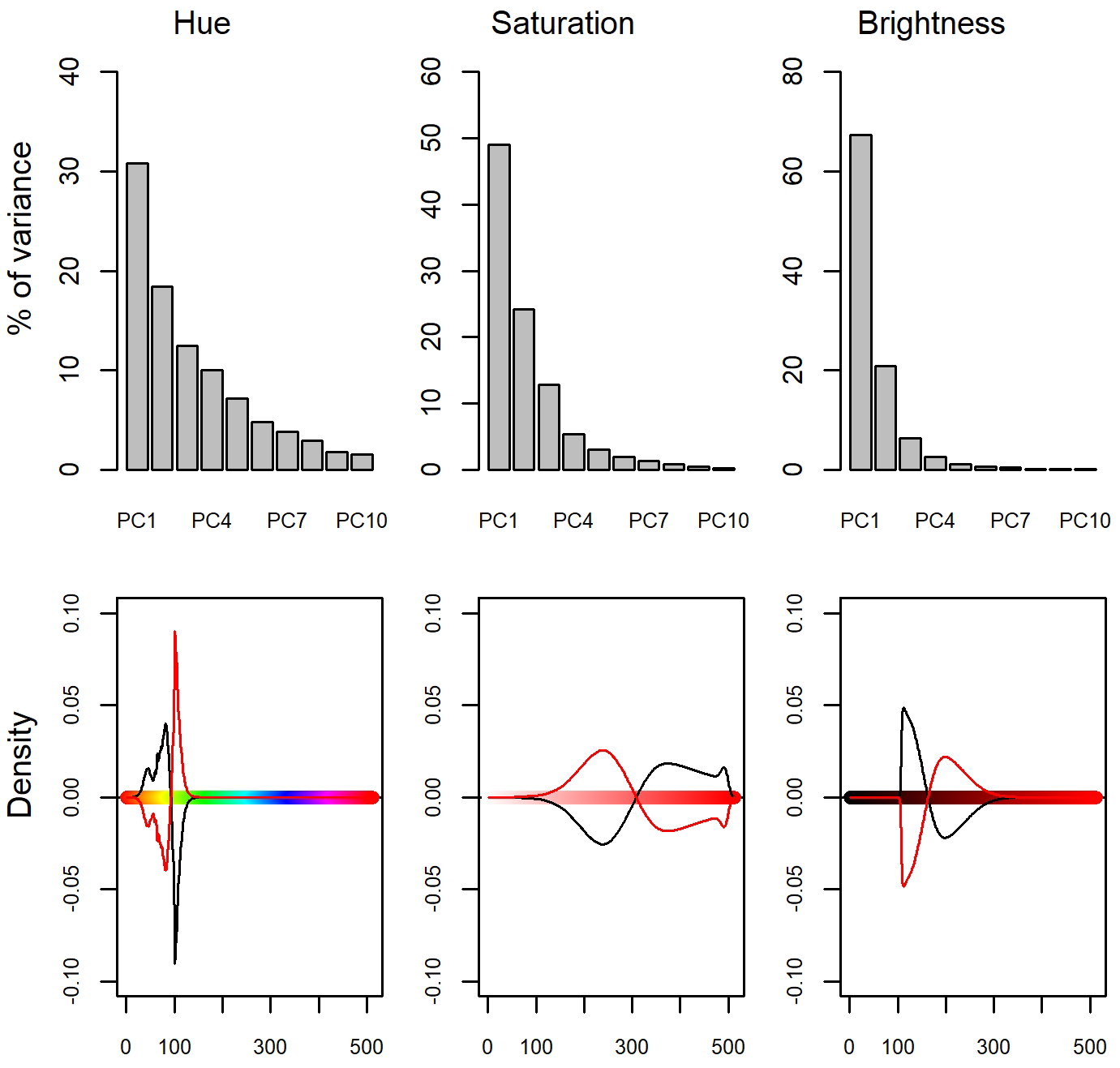
Research on animal colouration has grown exponentially in the last decade thanks to multidisciplinary approaches. Most studies are focused on trade-offs between communication and mimicry, which represent the two main constraints and drivers of the evolution of body colourations. Reptiles are excellent model species for investigating this field of study and lizards in particular show great variability of body colourations and their functions. We studied the lizard Podarcis siculus, analysing the variations of dorsal colour of three populations and obtained clear patterns of seasonal and ontogenetical variation of dorsal colour. According to baseline colour, males were greener and brighter than females, although no difference in saturation was recorded. According to seasonal variations, analyses showed that both sexes significantly vary in colour over the year: males reached higher peaks of hue and saturation later than females during spring, while females showed higher peaks of brightness and reached earlier similarly to hue and saturation. Ontogenetic variations were recorded only in males, which become greener, less bright and saturated with growing size. Therefore, our results suggest the occurrence of two opposing strategies in colour expression between sexes: males’ dorsal colouration plays a major role in communication, while females are more crypsis-oriented.
Agostino Brusco, Roberto Marchianò, Gianni Giglio, Gianluca Piovesan, Emilio Sperone
Herpetology Notes, 14: 563-565 (2021)
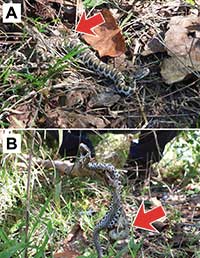
The observation we report herein was made on 21 October 2019 during a monitoring activity in the “Foce del Fiume Crati” Nature Reserve in Calabria, southern Italy (39.7130°N, 16.5102°E). During the monitoring activities, a young European asp was observed in the forested area. It was immediately realized that part of a previously swallowed prey protruded from a laceration in the left side of the animal. Despite the laceration, the viper appeared to move and behave normally. The viper was captured to see if medical assistance could be provided, and during the capture process the prey completely emerged from the laceration. It was a partially digested adult female western green lizard, decidedly large when compared to the viper. We do not know how the viper received the laceration. As it did not have other wounds on the body, predatory attack can likely be excluded as a cause of the wound. Instead, it is conceivable that the laceration was generated by the considerable size of the prey compared to the predator.
Santin, A., Aguilar, R., Akyol, O., Begburs, C. R., Benoit, L., Chimienti, G., Crocetta, F., Dalyan, C., De La Linde Rubio, A., Dragicevic, B., Dulcic, J., Giglio, G., Gönülal, O., Kebapcioglu, T., Kesici, N. B., Kiparissis, S., Kousteni, V., Mancini, E., Mastrototaro, F., Menut, T., Montesanto, F., Peristeraki, P., Poursanidis, D., Renoult, J., Sánchez-Tocino, L., Sperone, E., Tiralongo, F.
Mediterranean Marine Science, 22(1), 199-217
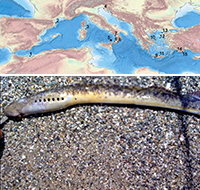
This Collective Article presents information on 17 taxa belonging to five (5) Phyla and extending from the Alboran Sea to the Levantine Sea. These new records were found in six (6) different ecoregions as follows: Alboran Sea: Second and easternmost record of the spongeChalinula nigrain the Mediterranean Sea; Western Mediterranean: first record of the rare gobid Gobius couchifor Spain, based on both morphological and molecular data; new records for the rare ascidian Ciona edwardsifrom the Marine Protected Area of Tavolara, Sardinia; several records for four (4) different species of black coral, Antipathella subpinnata,Antipathes dichotoma,Leiopathes glaberrimaand Parantipathes larixfrom the Aeolian Archipelago, all of which are currently threatened and/or protected at a Mediterranean level; the first documented records of the sea lamprey Petromyzon marinusin Calabria, which is considered “Critically Endangered” in Italy; first record in the Tyrrhenian Sea and second record in the Ionian Sea for the crab Ocypode cursor, which seems to be rapidly expanding its distribution range across Italian waters.
Roberto Biello, Mauro Zampiglia, Claudia Corti, Gianluca Deli, Marta Biaggini, Barbara Crestanello, Michel Delaugerre, Luciano Di Tizio, Luigi Leonetti Francesco, Casari Stefano, Oliviero Olivieri, Francesco Pellegrino, Antonio Romano, Emilio Sperone, Christine Hauffe Heidi, Massimo Trabalza-Marinucci, Giorgio Bertorelle, Daniele Canestrelli
Forensic Science International: Genetics, 51 (2021): 102447
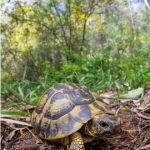
The illegal trade has been threatening tortoise populations worldwide for decades. Nowadays, however, DNA typing and forensic genetic approaches allow us to investigate the geographic origin of confiscated animals and to relocate them into the wild, providing that suitable molecular tools and reference data are available. Here we assess the suitability of a small panel of microsatellite markers to investigate patterns of illegal translocations and to assist forensic genetic applications in the endangered Mediterranean land tortoise Testudo hermanni hermanni. Specific allelic ladders were created for each locus and tested on several reference samples. We used the microsatellite panel to (i) increase our understanding of the population genetic structure in wild populations with new data from previously unsampled geographic areas (overall 461 wild individuals from 28 sampling sites); (ii) detect the presence of non-native individuals in wild populations; and (iii) identify the most likely geographic area of origin of 458 confiscated individuals hosted in Italian seizure and recovery centers. Our analysis initially identified six major genetic clusters corresponding to different geographic macro-areas along the Mediterranean range. Long-distance migrants among wild populations, due to translocations, were found and removed from the reference database. Assignment tests allowed us to allocate approximately 70 % of confiscated individuals of unknown origin to one of the six Mediterranean macro areas. Most of the assigned tortoises belonged to the genetic cluster corresponding to the area where the respective captivity center was located. However, we also found evidence of long-distance origins of confiscated individuals, especially in centers along the Adriatic coast and facing the Balkan regions, a well-known source of illegally traded individuals. Our results clearly show that the microsatellite panel and the reference dataset can play a beneficial role in reintroduction and repatriation projects when confiscated individuals need to be re-assigned to their respective macro-area of origin before.
Laura Bevacqua , Francesca R. Reinero , Edgar E. Becerril-García , Fernando R. Elorriaga-Verplancken , Diego Juaristi-Videgaray , Primo Micarelli , Felipe Galván-Magaña , Pablo Curiel-Godoy , Gianni Giglio , Sandro Tripepi , Donatella Barca, Emilio Sperone
The European Zoological Journal, 88 (1): 132-141
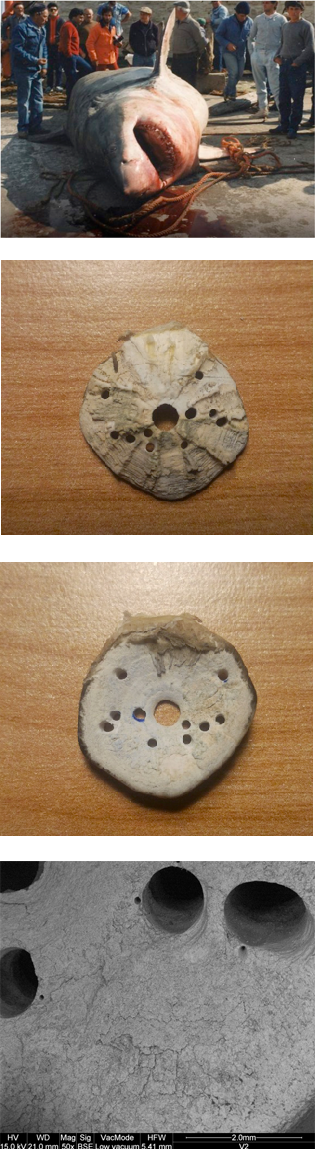
Given that white shark’s sightings are rare in the Mediterranean and the possibility of obtaining samples is highly limited, the aim of this research was to provide general information regarding the concentration of trace elements and stable isotopes (δ15N and δ13C). Laboratory analyses were performed on 18 and 12 subsamples from two different white sharks’ vertebrae obtained from two adult specimens caught in 1987, in Favignana Island, Italy. Perforations were made along the vertebrae to describe both trace elements and stable isotopes at different life stages. A total of 38 trace elements were analysed, in which the highest concentrations were found in Fe, Sr, U, Pb, and Zn. The fluctuations of these elements during the ontogeny of both individuals could have been related to changes in diet and environment, although the specific origin remains unknown. Regarding stable isotopes, the vertebrae from the male showed an isotopic range from 9.6‰ to 10.8‰ (δ15N) and from −16.5‰ to −13.0‰ (δ13C) with a mean ± SD value of 10.3 ± 0.4‰ for δ15N and −14.6 ± 1.3‰ for δ13C; whereas the female vertebrae had an isotopic range from 9.8‰ to 11.1‰ (δ15N) and from −16.9‰ to −15.0‰ (δ13C), with a mean ± SD value of 10.8 ± 0.6‰ for δ15N and −15.8 ± 0.8‰ for δ13C. There were no significant δ15N differences (U = 6, p = 0.07346) between the two individuals. However, there were just significant differences in δ13C (t = −1.8, p = 0.049256), which could suggest sexual segregation in terms of habitat use and feeding habits.
Micarelli, P. , Reinero, F.R. , Sperone, E.
Annales, Series Historia Naturalis, 2021, 31(1), pp. 31–36
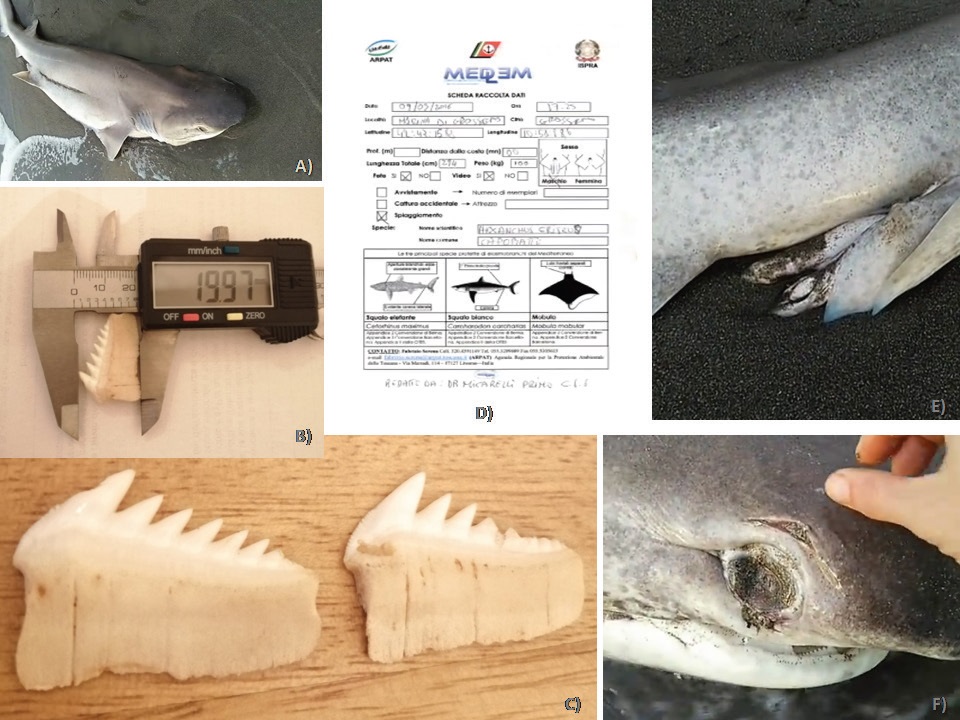
A rare stranding event involving a 297 cm long mature male bluntnose sixgill shark (Hexanchus griseus) occurred on the Tuscan coast in the central Tyrrhenian Sea. The stranded specimen had 6 rows of teeth indicating that it belonged to the H. griseus and not to the Hexanchus nakamurai species, which only has 5. Biometric data on two teeth of the left front region of the lower jaw were collected. The body of the specimen did not show evidence of capture, only a deep cut at the height of the orbital arch suggesting a crash or the ramming of a boat.
Carnevale Alex, Giglio Gianni, Leonetti Francesco Luigi, Lanteri Luca, Milazzo Concetta, Tripepi Sandro, Sperone, Emilio
Acta Adriatica, 2021, 62(1), pp. 105–110
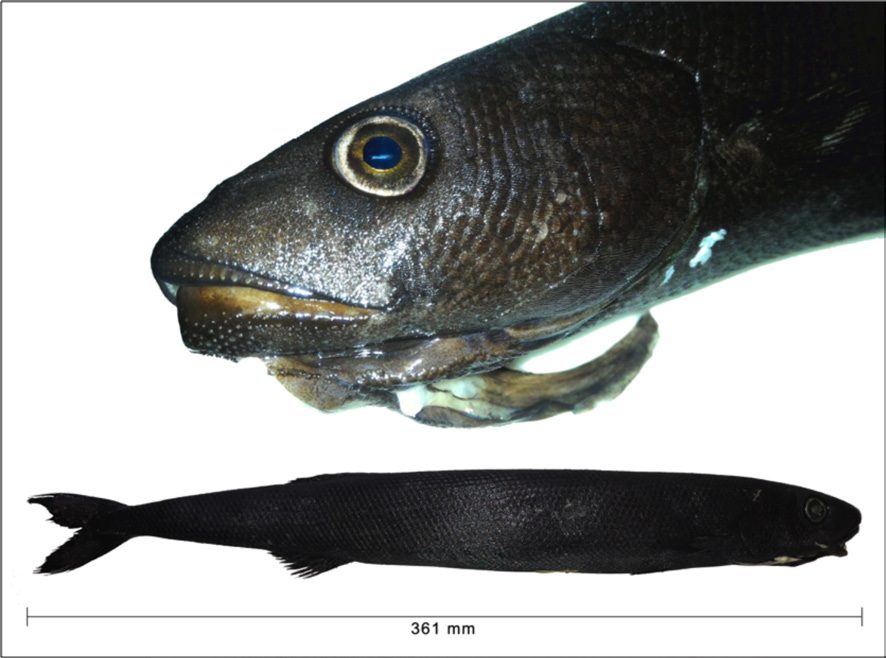
The first record of Tetragonurus cuvieri Risso, 1810 off Calabrian coast (Southern Italy, Central Mediterranean) is reported. The specimen, a male of 361 mm total length, was found at a depth of 7 m during a scientific visual census research activity, in March 2017. The sighting was located off the Tyrrhenian coast of Calabria (Paola: 39.355453N, 16.029192E). The present finding represents the 1st documented record for the Tyrrhenian coast of the Calabria region.